

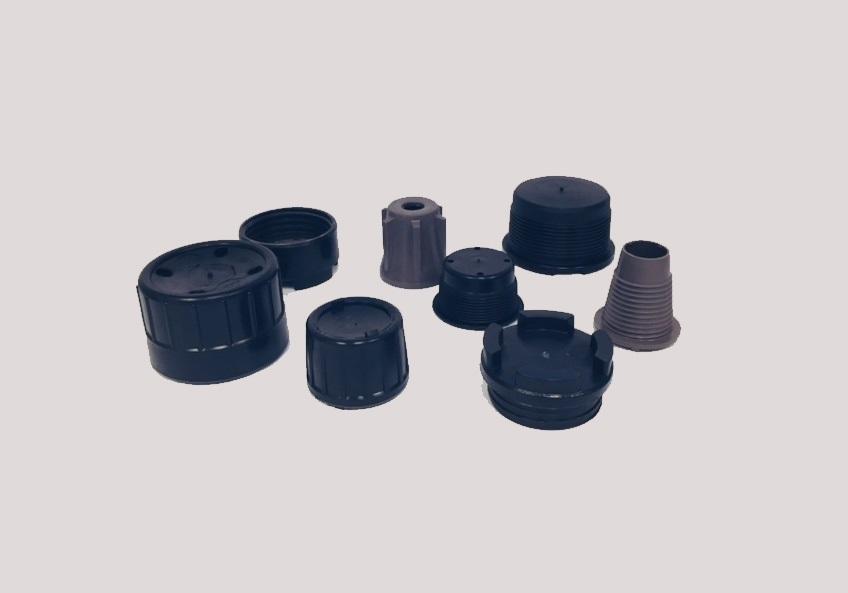
Imagine standing on the drill floor installing the casing in the hole, and suddenly you realize your threads are damaged. Frustrating? It is a part of everyday life on the drill floor. This common interruption adds up to your expenses and makes your job tiresome. So what’s the solution to it? Thread protectors are the answer! As the name suggests, a thread protector protects threads of pipes during transportation and storage. These are designed to provide excellent protection at a reasonable cost.
Thread protectors belong to the family of reusable or disposable parts designed to protect, close or mask screw threads. They are widely used to protect lines of pipes from getting corroded, damaged, and ingress contaminants. New thread protectors are commonly used for shielding the threaded ends of pipes, gas cylinders, firearm barrels, and oil refinery equipment. These thread protectors are generally made from plastic or steel and can be applied to the lines automatically (by machines) or manually. Protectors made of steel can be cleaned and reused; however, plastic thread protectors are often recycled and reused. Numerous companies offer both new and reconditioned thread protectors to various industries.
Finding suitable thread protectors
As said, thread protectors protect your pipes against damage and deterioration during handling, storage, and transportation, both on-site and off-site. But to get the most advantage of these protectors, you must choose the suitable protector per your pipes’ precise specifications. Also, ensure the protectors you obtained can provide the necessary protection and functions. They must withstand the local environment where your lines are to be stored, and they should always remain intact.
Things to consider when choosing thread protectors
What do pipe threads need protection from?
In different applications and different environments, the pipe threads may need protection from various elements, including-
- Damages like dings, dents, scratches, dents, and cracks
- Contaminants that could reduce the quality of extracted fluids
- Debris and moisture
- Corrosion and rust when exposed to the elements
Contaminants, debris and moisture in the thread may increase the oxidation speed leading to a compromised pipe. Any damaged thread is likely to expedite the corrosive chemical reactions in the links during operations. Corrosion particularly poses problems for operators as it is not easily visible before or during installation. So to ensure all links work optimally, your pipe thread protectors must protect against all of them.
When is it required to protect pipe threads?
Well, pipe threads require protection during every stage- storage, handling and transportation, before installation. Whenever operators pull a string for repair or inspections, they must apply thread protection to every section before stacking and storing them. The harsh chemical conditions and oxygen exposure can increase the corrosion rate. Using thread protectors helps prevent corrosion and oxidation and reduces the risk of damaging a thread before its installation.
What type of thread protectors do you need- metal or plastic?
Plastic protectors are made from the highest-quality plastics and are available in all standard sizes. The main benefit of plastic thread protectors is that they provide the same level of protection as other materials but are lightweight and affordable. Businesses consider buying plastic protectors the most cost-effective and environmentally friendly way to protect their pipes.
Steel protectors are recommended when superior protection is necessary, and the condition in which the pipes operate is exceptionally harsh. While steel protectors offer excellent protection, they are also the most expensive option.
You must consider these few things when choosing New thread protectors for your pipes. Furthermore, here are some tips for you to consider when choosing thread protectors for your pipes
- Consider recycling or reusing the protectors (if possible).
- If you find a damaged protector, replace it immediately and inspect the threads for damages.
- The thread protectors must be tight at all times.
- Make sure you always use clean protectors.
- Always wash and dry the protectors before reusing them when changing the thread compound.
- Use protectors as per the size and type of your connection
- Avoid using unapproved lifting tools
