

Key Takeaways
- Child-friendly homes should balance safety, storage, and daily practicality.
- Flexible layouts allow spaces to adapt as children grow older.
- Durable materials and organised storage reduce long-term maintenance issues.
- Shared spaces can remain functional for adults and children through proper zoning.
- Practical planning is an important aspect of interior design in Singapore due to the limited residential space.
Introduction
Planning a child-friendly home involves more than adding safety gates or colourful furniture. Families must consider how children study, play, and move around the house while ensuring the space remains practical for adults. Meanwhile, in many apartments and HDB units, limited floor space makes planning even more important. Good interior design in Singapore often focuses on balancing comfort, organisation, and flexibility so homes remain suitable for changing family needs over time.
Prioritising Safe and Durable Materials
Families with young children usually prioritise safety and durability during renovation planning. Sharp furniture edges, slippery flooring, and unstable shelving can create unnecessary hazards. Due to this, many homeowners choose rounded furniture profiles, anti-slip flooring, and secure built-in carpentry to improve household safety.
Durability is equally important because children place heavier wear on shared living spaces. Scratches, spills, and stains are common in homes with toddlers and school-aged children. Materials such as scratch-resistant laminates, washable wall paint, and easy-to-clean upholstery help reduce maintenance demands over time. Dining tables and countertops are also often selected based on durability instead of appearance alone.
Practical material selection plays a major role in interior design because many households rely heavily on communal areas instead of having dedicated playrooms. Choosing low-maintenance finishes allows homes to remain organised and functional despite higher daily activity levels.
Creating Flexible Shared Spaces
Many families do not have enough room to dedicate separate areas for studying, entertainment, and play. This situation makes flexible layouts increasingly important. Living rooms, dining spaces, and study corners often need to support multiple activities throughout the day without becoming overcrowded.
Furniture with multiple functions is commonly used to maximise space efficiency. Storage benches, foldable tables, and modular shelving systems allow homeowners to adjust layouts according to changing routines. For example, a dining area may function as a homework station during weekdays and return to normal dining use afterwards.
Open layouts are also popular because they allow parents to supervise children while cooking, working, or completing household tasks. However, flexibility should still include clear organisation. Walkways should remain unobstructed, and furniture placement should support smooth movement around the home.
Many interior design projects now incorporate adaptable carpentry because children’s needs change quickly over time. A play corner for toddlers may later become a study area for older children without requiring major renovation work.
ALSO READ: Soothing Interior Design for Modern Homes: Creating a Calm Living Environment After Work
Planning Organised Storage Solutions
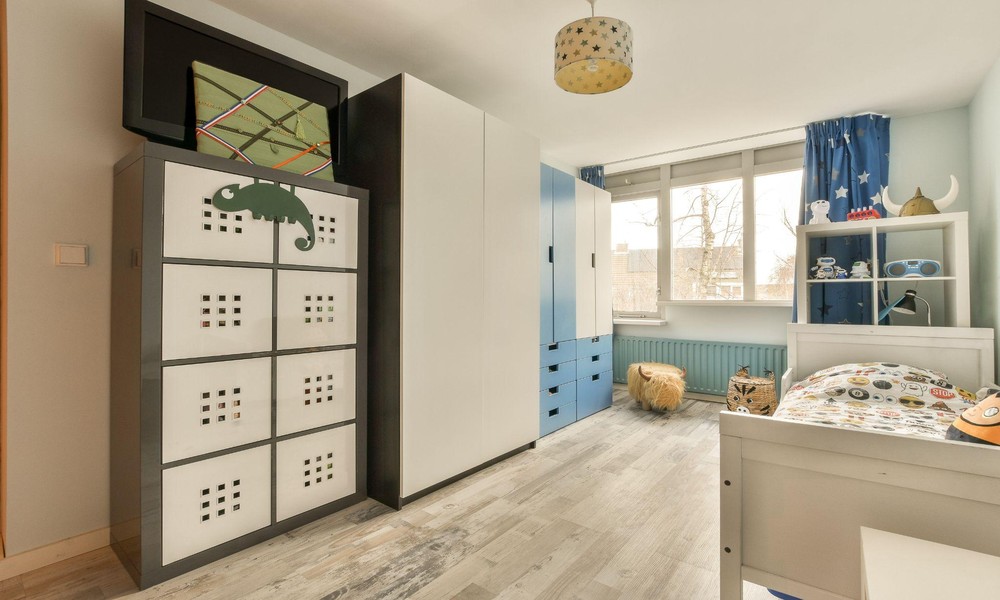
Storage planning becomes increasingly important once children are introduced into the household. Toys, books, school supplies, and clothing can quickly occupy shared spaces if storage systems are poorly organised. Built-in cabinets, under-bed compartments, and vertical shelving are commonly used to improve storage capacity without reducing usable floor space.
Accessibility also matters in child-friendly homes. Lower shelves and reachable drawers allow children to organise their belongings independently, helping establish daily routines. Simultaneously, hazardous household items should remain stored in elevated or locked compartments for safety purposes.
Storage solutions in interior design in Singapore are often customised according to household size and apartment layout. Hidden storage remains popular because it allows families to maintain a cleaner visual presentation while still accommodating growing storage needs.
Balancing Child-Friendly Features With Adult Needs
A family-oriented home should not feel entirely designed around children alone. Adults still require functional workspaces, organised living areas, and comfortable environments for daily routines. Effective planning usually involves zoning spaces so multiple activities can happen simultaneously without constant disruption.
Neutral colour palettes, adaptable furniture, and integrated study corners help interiors remain suitable as children grow older. Instead of relying heavily on temporary child-focused themes, many homeowners prefer flexible design choices that support long-term functionality.
Conclusion
Creating a child-friendly home requires careful planning rather than simply adding safety accessories or children’s furniture. Families must consider layout flexibility, durable materials, organised storage, and practical zoning to maintain functionality for all household members. Through thoughtful planning, homeowners can create spaces that support children’s daily activities while still remaining comfortable, organised, and practical for long-term living.
Contact Jialux Interior and let us create spaces that support children’s routines while maintaining comfort, organisation, and long-term practicality for the entire household.
