

Every few springs the Crow River reminds Delano who was here first. Snowmelt and April rain push it past the flood stage, the city sets up its floodwall downtown, and the water in the ground around town starts climbing right along with the river. City staff have pointed out during past floods that much of the trouble comes from groundwater rising at about the same rate as the river itself. That water doesn’t need a levee breach to reach you. It only needs a basement wall, a footing drain and a pump that quits at the wrong hour.
A sump system is really a short chain of parts, and it’s only as strong as the weakest one. When a link gives out, a homeowner can lean on a family-run shop at 236 2nd Street South, where a certified plumber in Delano named Roy Haase started the business that now covers homes and light commercial buildings across the western metro and into Minneapolis. The rest of this piece is a walk through your own basement, stopping at each part of that chain in the order the water meets it.
First Stop at the Edge of the Pit
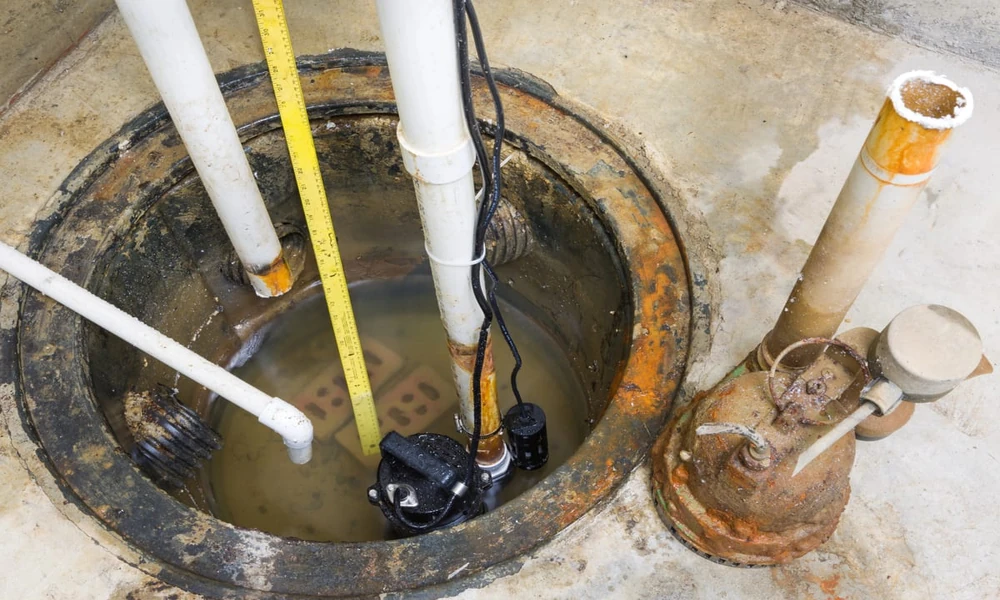
Lift the lid and look before you test anything. A healthy pit holds a little standing water, has a solid cover and isn’t packed with gravel, silt or the occasional lost toy. Silt is worth noticing because it tells you fine soil is washing in through the drain tile, and that sediment eventually gets sucked into the pump intake.
Pay attention to how fast the pit refills after a rain. If the pump cycles every few minutes on an ordinary wet day, it’s already near its limit, and a true high-water week will push it further than it was built to go. Pits that are too small make this worse, since a shallow basin forces short, rapid cycles that wear out the switch.
The Pump Itself Has a Lifespan
Most submersible sump pumps give somewhere between seven and ten years of service, less if they run hard every spring. The pump in a house near the river may log more hours in one bad April than a hilltop pump logs in three years.
A quick check takes five minutes. Pour a bucket of water slowly into the pit and watch for these things.
- The float rises freely without catching on the pit wall or the power cord.
- The motor kicks on smoothly, with no grinding or humming before it starts.
- The water level drops steadily and the pump shuts off cleanly.
- No water flows back into the pit once the pump stops.
That last one points to the next stop.
A Small Valve With a Big Job
Above the pump, the discharge pipe should carry a check valve. When the pump shuts off, the column of water standing in the pipe wants to fall back down. Without a working check valve it does exactly that, refilling the pit and forcing the pump to move the same water again and again. A thump from the valve when the pump stops is normal. Water draining back is not.
Where the Water Is Allowed to Go
This is where Delano homes have a rule to follow. The city’s ordinance on prohibited sump pump discharges bars water from sump pumps, footing tile, roofs and pools from entering the sanitary sewer. Discharge lines must be permanently installed, and they can empty to the yard or connect to the city storm sewer. Owners who get a notice from the city have 45 days to arrange an inspection confirming nothing prohibited is draining into the sanitary line.
The reason is practical. During a flood, clear water pouring into sewer pipes overloads the system that carries household waste, and that overload can end up backing into the very basements it came from. A hose quietly dropped into a laundry tub or floor drain feels harmless until the whole neighborhood does the same thing on the same night.
Outside, follow the discharge to where it ends. It should release several feet from the foundation onto ground that slopes away, otherwise the pump simply recycles the same water through the soil and back into the pit. In late winter, check that the end of the line isn’t frozen shut or buried under a plowed snowbank, because a blocked outlet stops a perfectly good pump cold.
When the Lights Go Out
Spring storms that raise the river also knock out power, and a sump pump without electricity is just a weight at the bottom of a hole. Backup options vary quite a bit.
| Backup type | How it runs | Strong points | Limits |
|---|---|---|---|
| Battery backup pump | Second pump on a marine battery | Starts on its own, fits most pits | Runs for hours, not days, batteries need replacing |
| Water powered backup | Uses city water pressure to create suction | No battery to fail | Needs municipal water, uses a lot of it |
| Portable generator | Powers the main pump through a cord | Long run time | Someone has to be home to start it |
| Standby generator | Whole house power on automatic switch | Handles long outages | Highest upfront cost |
Homes on city water in town have more choices than rural homes on private wells, where a water powered unit won’t work because the well pump itself loses power in an outage.
The Floor Drain Is the Other Door
Sump pumps handle water coming from outside the walls. Floor drains connect to the sewer, which means they can let water in from the opposite direction when sewer lines surcharge. When the river runs high, the city closes storm sewer valves to stop backflow, but your private lateral still depends on what it’s tied to.
A backwater valve installed on the main sewer line lets waste leave the house while blocking anything trying to come back up. Standpipe plugs for floor drains are a cheaper, temporary option, and they’re worth keeping on a shelf in houses close to the river or in low spots in town.
Reading Your Own Basement Before Spring Does
The 1965 flood that pushed the Crow above 23 feet still shapes how longtime residents talk about the river, and newer neighborhoods with deep basements and footing drains feel high groundwater in their own way. The good news is that every part of this chain can be checked on a dry October afternoon, long before melt season. A pump tested in fall, a check valve that holds, a discharge line that ends in the right place and a backup that actually starts are what decide whether next April is a story about the river or just another wet week.
