

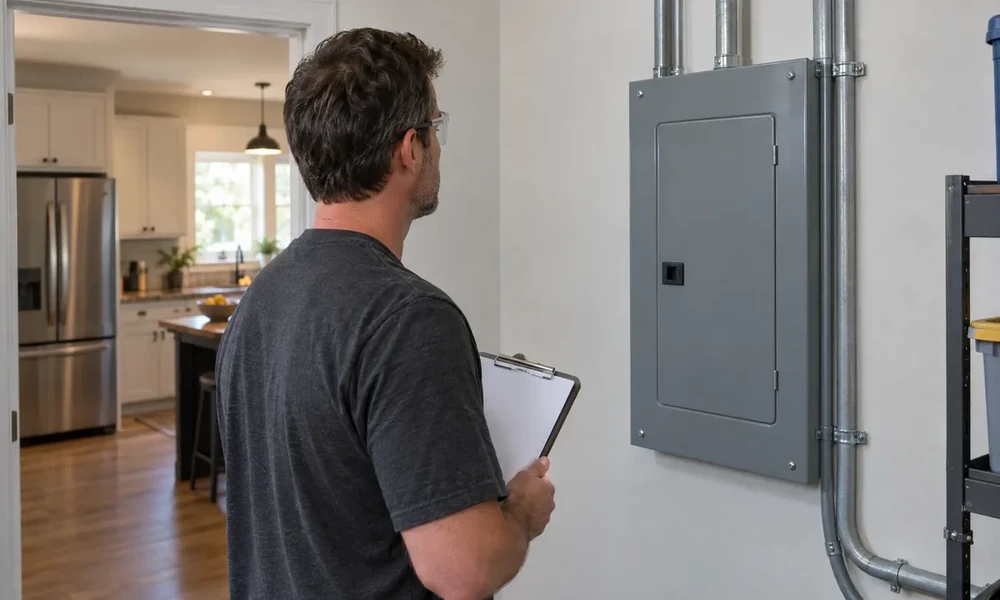
Every breaker panel tells a story about how a household actually lives. The labels scrawled beside each switch, some faded, some wrong, map out the kitchen, the bedrooms, the air handler in the attic, and that mystery breaker nobody has touched in fifteen years. When people start thinking about backup power, they usually picture the whole thing staying on. The smarter question is which of those circuits truly earn a spot on a generator, because that one decision shapes the size of the unit, the fuel it burns, and what you pay for it.
In northeast Mississippi this matters more than most places. Spring tornado outbreaks snap poles across whole counties, summer storms knock out feeders on afternoons when the heat index sits above a hundred, and the occasional ice storm can leave rural roads dark for days. Outages here are less a question of if than of how long.
That is the conversation Guerry Electric has with homeowners across Columbus, Starkville, West Point and the rest of the Golden Triangle, where the licensed team has handled electrical work since 1999 and installs Generac standby systems as an authorized dealer. Their process starts with a walk through the appliances and the panel before any unit gets recommended, sorting a home into either whole home coverage or an essential load setup.
Walking the House Room by Room
The easiest way to build your own list is to tour the house the way an outage would, starting with the things that cause real trouble when they stop.
The kitchen and the food in it
Refrigerators and freezers are the first priority for nearly every family. A full freezer holds temperature for roughly two days with the door shut, but a refrigerator gives you only about four hours before perishables become a gamble. Each one runs on modest power, often well under a kilowatt, though the compressor pulls a short burst when it kicks on. An electric range is a different animal. A full cooktop and oven can demand eight kilowatts or more, so many families leave it off the list and cook on a gas grill instead.
Cooling and heating
Central air is where sizing decisions get made or broken. A three to five ton system draws a heavy surge at startup, far above its running load, and a generator has to absorb that jolt without stalling. In a Mississippi July, keeping the house livable is often the whole reason people buy a standby unit, especially for older relatives or anyone with heat sensitivity. A soft start kit on the condenser can trim that startup surge considerably and sometimes lets a household drop down a generator size.
Water, from the well to the heater
Homes outside town limits frequently run on private wells. No power means no pump, which means no flushing, no washing, and no drinking water from the tap. Well pumps run on 240 volts and have a hefty startup demand, so they belong on the list but need to be counted carefully. Electric water heaters, by contrast, can usually wait. Their elements draw around 4,500 watts, and a tank of hot water stays warm for a surprisingly long time after the power drops.
Medical devices and the home network
Oxygen concentrators, CPAP machines, refrigerated medications, and stairlifts move straight to the top for families who rely on them. Internet equipment and phone chargers use almost nothing yet matter enormously when you need weather alerts or need to reach someone. Sump pumps belong here too for homes with basements or low crawl spaces.
The comfortable extras
Clothes dryers, pool pumps, workshop tools, and the second refrigerator in the garage are where honest choices happen. They are nice to have during a long outage but expensive to back up. Dropping them is often what separates a midsize unit from a much larger one.
Whole Home or Essentials Only
Once the list exists, the path splits two ways. An essential load setup moves the chosen circuits to a separate subpanel fed by the generator. It costs less and the unit can be smaller, but anything not on that subpanel simply stays dark.
Whole home coverage connects the entire service through the transfer switch. Modern systems manage this without a giant generator by using load management modules that shed big appliances when demand spikes. If the air conditioner and the well pump both call for power at once, the system briefly holds one off so the generator never gets overwhelmed. For many households this hybrid approach delivers the feel of full power at a midrange price, and air cooled residential units in the 14 to 26 kilowatt range cover most homes in the area.
Fuel Decides How Long the Lights Stay On
A standby generator is only as dependable as what feeds it. In town, where a natural gas line reaches the street, the supply is effectively unlimited for as long as the gas utility keeps flowing. Out in the county, propane is the usual choice, and tank size becomes part of the planning.
A few realities are worth knowing before you settle on a tank:
- Propane tanks are filled to about 80 percent of capacity, so a 500 gallon tank actually holds around 400 gallons.
- A mid sized home unit running at half load often burns in the range of two to three gallons an hour, which stretches that tank across roughly a week of continuous use.
- Propane deliveries slow down after a major storm when roads are blocked and every customer calls at once.
Keeping the tank topped up before storm season is the cheapest insurance you can buy.
Where the Unit Sits and How It Connects
Placement involves more than finding a flat patch of yard. Manufacturers typically call for a set distance from the house wall and a wider buffer from windows, doors, and fresh air intakes, so exhaust can never drift indoors. The pad has to sit above standing water in heavy rain, and the unit needs room on every side for service. Local code and the installation manual make the final call, and a permit with inspection is part of a proper job.
The heart of the system is the automatic transfer switch. It senses the outage, starts the generator, and isolates the house from the utility lines within seconds. That isolation is a safety feature, not a convenience. Without it, power can backfeed into the grid and endanger line crews working to restore service down the road. The Mississippi State University Extension Service has long warned residents about the hazards of improvised generator hookups, and it explains why a properly wired switch matters so much.
Living With It After Installation
A standby unit runs itself through a short exercise cycle each week, quietly checking that the engine starts and the battery holds a charge. Many homeowners never notice it until the day the lights flicker and the house keeps humming. That reliability depends on routine care, though. Oil and filters wear out, batteries lose strength in the summer heat, and dirt daubers love to build nests in warm enclosures. An annual service visit, or twice a year for units that see heavy use, keeps the whole system ready.
It also helps to revisit your circuit list every few years. A new heat pump, an electric vehicle charger, or a parent moving in with medical equipment can shift what the house needs. The generator that fit perfectly at installation may need its load management adjusted as your life changes, and catching that before a storm is far easier than discovering it in the middle of one.
