

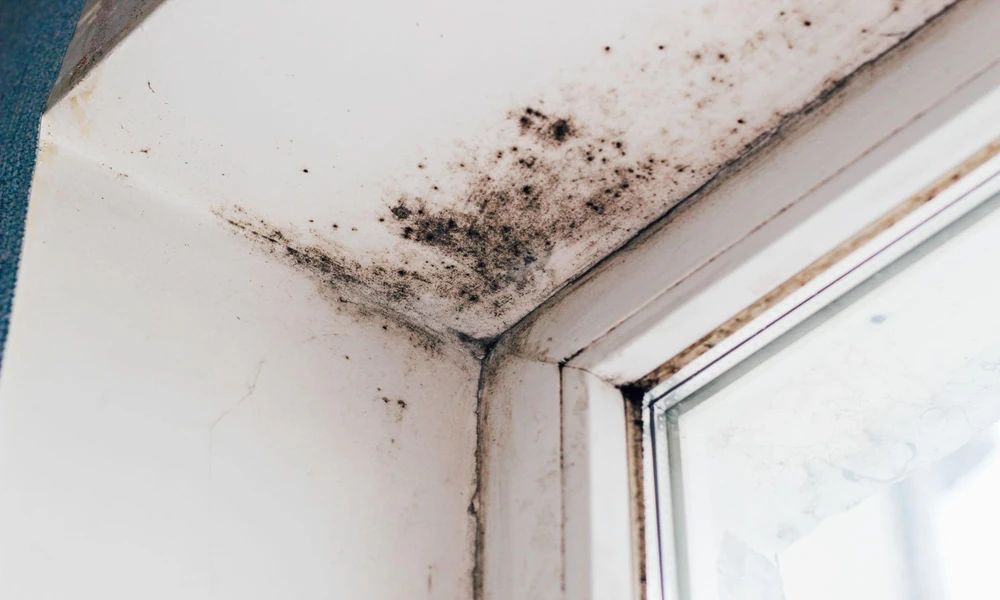
More Than a Weekend Cleaning Job?
Most people tackle mould themselves at first, and for a small spot on the shower grout, that’s usually fine. A spray bottle of mould remover and a bit of elbow grease can sort out minor marks quickly.
Some situations are different, though. When patches are large, hard to reach or keep showing up no matter how often you clean, it may be time to look into mould cleaning services instead. Here are the signs that point in that direction.
It Keeps Coming Back After You’ve Scrubbed It
You clean the patch, it looks fine for a fortnight or so, and then the same dark marks reappear in the same spot. If this has happened more than two or three times, the mould is likely growing deeper than the surface you’re wiping.
A shop-bought mould remover can lighten stains, but it won’t always reach roots that have spread into grout, sealant or the paint layer underneath. Repeating the same routine takes time and money without fixing the cause. At that point, a professional can look at where the growth is coming from and treat the affected area more thoroughly.
The Quick Rundown
- Mould returning to the same spot again and again is worth a closer look.
- Large patches across walls or ceilings are hard to clear safely alone.
- High or hidden spots often need equipment most homes don’t have.
- Stains bleeding through new paint suggest the problem runs deeper.
- Moving, flooding and renovations are common times to call for help.
When the Size or Location Is Hard to Handle
In cases like these, mould cleaning services may make more sense than doing it yourself:
| Situation | Why It’s Tricky to DIY | What a Professional Visit May Cover |
| Large patches | Growth across most of a wall or ceiling takes hours to clean properly. | Treating the whole area in one go, with nearby surfaces checked too. |
| High or awkward spots | Ceilings above stairwells and the tops of built-in cupboards need ladders and a steady hand. | Reaching difficult areas with the right equipment. |
| Soft materials | Mould on fabric sofas, mattresses or wooden furniture can soak in deeper than it looks. | Advising on which items can be treated and which may need replacing. |
Signs It’s Gone Beyond the Surface
Some clues suggest the mould you see is only part of the story. Stains that bleed through a fresh coat of paint within weeks, wallpaper that lifts or bubbles, and skirting boards or cabinet panels that feel soft or warped can all point to damp sitting inside the material. The same goes for walls that stay damp to the touch for days after rain. In these cases, wiping on a mould remover only treats the outer layer, while the source keeps feeding growth from behind. A professional can check behind panels and under finishes to see how far the problem goes before deciding how to treat it.
Times When Doing It Yourself Isn’t Practical
Even when the mould itself is manageable, your circumstances might make a professional clean the easier option. A few common examples:
- You’re moving into a new home or handing back a rented unit and want everything sorted before the keys change hands.
- A burst pipe, flooding or a long-running leak has left several rooms damp at the same time.
- Someone at home finds strong cleaning products uncomfortable to be around.
- You’re planning a renovation and want walls and ceilings treated before new paint, panels or flooring go in.
Booking mould cleaning services at times like these saves you juggling a big clean on top of everything else.
Making the Call With Confidence
Knowing when to step back from DIY can save a lot of wasted effort. Small, fresh spots are usually fine to handle on your own, but mould that keeps returning, covers a large area, sits somewhere hard to reach or seems to come from inside the walls is a different matter.
Dealing with the problem while it’s still contained tends to be simpler than waiting until it reaches furniture or several rooms. If you’re unsure, describing what you’re seeing to someone who handles mould regularly can help.
Contact Mouldgone to share what’s going on at home and arrange a visit if the affected areas need more than a quick clean.
