

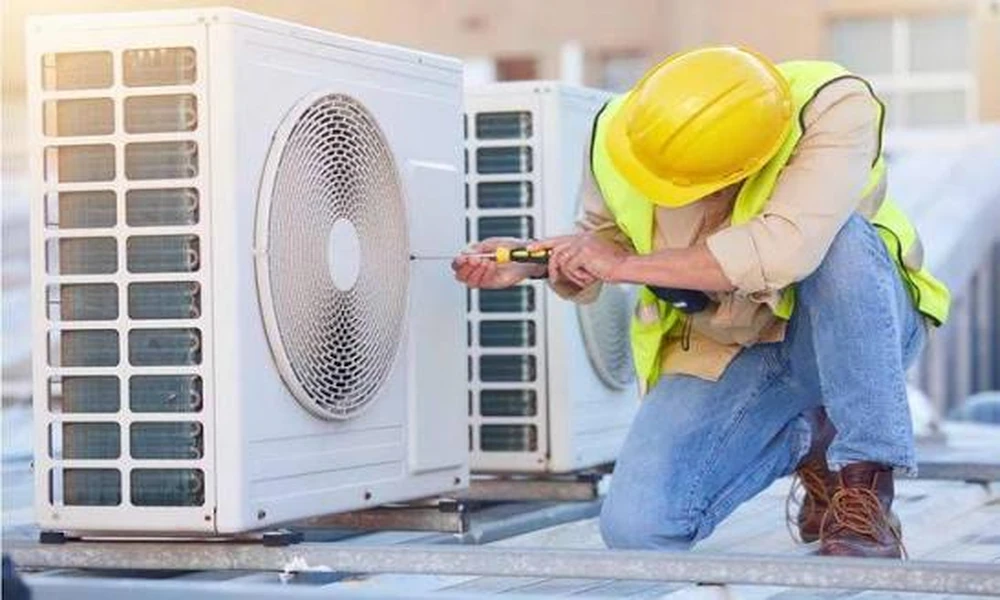
Keeping your air conditioning system in excellent condition is one of the smartest ways to improve comfort, reduce energy costs, and avoid unexpected breakdowns. Scheduling a professional AC tune up Olive Branch, TN service is an effective way to ensure your system operates efficiently throughout the year. However, many homeowners struggle to determine whether their system requires a routine AC tune-up or a more extensive AC repair.
Although these services are closely related, they serve very different purposes. Regular air conditioning maintenance helps improve energy efficiency, extends the lifespan of your unit, and identifies minor issues before they become costly repairs. In contrast, AC repair focuses on fixing existing faults that affect your system’s performance. Understanding the difference between an AC tune-up and an AC repair can help you make informed decisions, protect your investment, and keep your home cool throughout the year while avoiding unnecessary repair expenses.
What Is an AC Tune-Up?
An AC tune-up is preventative maintenance designed to keep your air conditioning system operating at its best. Much like servicing a car, regular maintenance allows technicians to identify minor issues before they become serious problems.
A typical tune-up may include:
- Cleaning condenser and evaporator coils
- Replacing or inspecting air filters
- Checking refrigerant levels
- Inspecting electrical connections
- Lubricating moving parts
- Testing thermostat accuracy
- Clearing condensate drains
- Checking system performance and airflow
These routine tasks help improve efficiency, reduce energy consumption, and extend the lifespan of your equipment.
Most manufacturers recommend having your air conditioning system professionally serviced at least once a year, ideally before the warmer months begin.
What Is an AC Repair?
An AC repair addresses a specific fault that is preventing the system from operating correctly. Repairs become necessary when one or more components fail or the unit develops a mechanical or electrical problem.
Common repairs include:
- Replacing faulty capacitors
- Repairing refrigerant leaks
- Fixing damaged fan motors
- Replacing worn compressors
- Repairing electrical faults
- Replacing broken thermostats
- Fixing drainage issues
Unlike a tune-up, repairs usually occur after symptoms have already appeared. These may include unusual noises, poor cooling performance, water leaks, unpleasant odours, or a complete system breakdown.
Repairs generally cost more than routine maintenance because they involve diagnosing faults and replacing damaged components.
The Key Differences
Although both services involve a qualified technician inspecting your air conditioning system, their purpose is very different.
A Tune-Up Is Preventative
Routine maintenance focuses on preventing future problems. It keeps the system clean, efficient, and operating within manufacturer specifications.
The goal is to reduce wear and tear while identifying small concerns before they become expensive failures.
A Repair Is Reactive
Repairs solve problems that have already occurred. They restore the system after something has gone wrong.
In many cases, a repair could have been avoided if minor issues had been identified during regular servicing.
Signs You Only Need a Tune-Up
Your air conditioning system may simply require maintenance if:
- It still cools your home adequately
- Energy bills have gradually increased
- Airflow feels slightly weaker
- The system has not been serviced for over a year
- Dust is accumulating around vents
- The unit runs longer than usual but still reaches the desired temperature
These are often signs of reduced efficiency rather than major mechanical failure.
Signs You Probably Need a Repair
Professional repairs are usually required if you notice:
- Warm air blowing from vents
- Loud banging, grinding, or screeching noises
- Water pooling around the unit
- Ice forming on coils
- Frequent cycling on and off
- Burning smells
- The system refusing to start
Ignoring these symptoms can lead to more severe damage and higher repair costs.
How Regular Tune-Ups Save Money
Many homeowners hesitate to pay for annual maintenance because their system appears to be working normally. However, preventative servicing often pays for itself over time.
Lower Energy Bills
Dust, dirt, and worn components force an air conditioner to work harder. A clean, properly adjusted system uses less electricity while maintaining the same level of comfort.
Even small efficiency improvements can reduce cooling costs throughout the summer.
Fewer Unexpected Repairs
During a tune-up, technicians can identify loose wiring, worn belts, blocked drains, or failing components before they cause a complete breakdown.
Replacing an inexpensive part during maintenance is often far cheaper than repairing extensive damage later.
Longer Equipment Lifespan
Air conditioning systems represent a significant investment. Regular servicing reduces unnecessary strain on major components, helping the system last several years longer than one that receives little or no maintenance.
Replacing an entire unit prematurely is considerably more expensive than maintaining it properly.
Improved Indoor Air Quality
Dirty filters and coils can circulate dust, pollen, and other airborne particles throughout your home.
Routine cleaning helps maintain healthier indoor air while improving airflow and overall system performance.
When Should You Schedule Each Service?
Ideally, homeowners should arrange a professional tune-up every year before temperatures begin to rise. Spring is often the best time, allowing technicians to prepare the system before peak demand.
Repairs, however, should be arranged as soon as warning signs appear. Delaying repairs often allows small faults to develop into larger and more costly problems.
For example, ignoring a refrigerant leak can eventually damage the compressor, which is one of the most expensive components to replace.
Can a Tune-Up Prevent Every Repair?
No maintenance programme can guarantee that repairs will never be needed. Components naturally wear out over time, and unexpected failures can still occur.
However, routine servicing significantly reduces the likelihood of major breakdowns. Many common repairs result from neglected maintenance rather than unavoidable equipment failure.
Think of a tune-up as an investment in reliability rather than simply another household expense.
Final Thoughts
Understanding the difference between an AC tune-up and an AC repair helps homeowners make better decisions about maintaining their cooling systems. A tune-up focuses on prevention, keeping the equipment efficient and identifying minor issues before they become costly. A repair, on the other hand, addresses faults that are already affecting performance.
By scheduling annual maintenance and responding quickly when genuine repair issues arise, you can reduce running costs, improve comfort, and extend the life of your air conditioning system. Taking a proactive approach today is often the simplest way to avoid expensive surprises tomorrow while ensuring your home stays comfortable throughout the hottest months of the year.
