

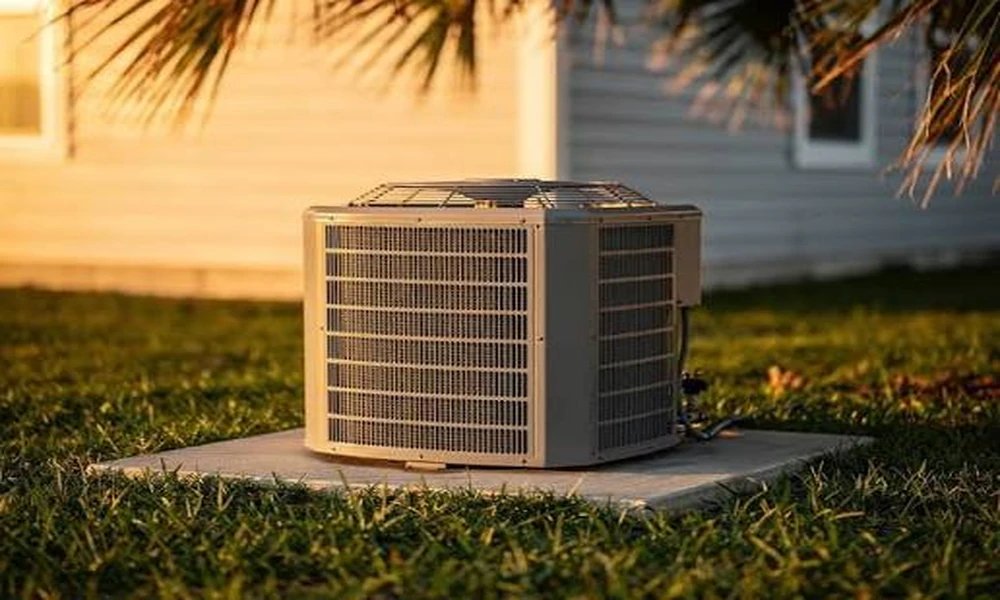
Anyone who lives near the coast knows the thin, sticky film that settles on car windshields after a breezy night. That same mist lands on everything outside the house. The outdoor half of a central air conditioner takes more of it than almost anything else, because its fan pulls huge volumes of air straight through a delicate metal coil all summer long.
Along the South Carolina Lowcountry, where homes sit near beaches, tidal creeks, and wide salt marshes, this slow exposure shapes how long cooling equipment lasts. Homeowners from Hilton Head Island to Beaufort who work with an experienced local team like Tidelands A/C & Refrigeration Inc. often hear the same advice: coastal systems need a different kind of attention than inland ones. The Ridgeland based contractor has spent more than 30 years handling residential cooling and commercial refrigeration across Beaufort County and nearby islands, and that kind of local history matters when the air itself is part of the problem.
Salt does not wreck a condenser overnight. It works patiently, a little each day, which is exactly why so many owners never notice it until the system starts struggling on the hottest afternoon of the year.
How Salt Gets Inside the Condenser
A typical outdoor unit moves thousands of cubic feet of air every minute while it runs. Every bit of that air passes across thin aluminum fins wrapped around copper tubing. Microscopic salt particles carried in the breeze stick to those fins and build up layer by layer.
Salt crystals also attract moisture. On humid nights, which the Lowcountry has plenty of, they pull water out of the air and form a mild saltwater solution right on the metal. Where copper and aluminum touch, that solution acts like the liquid in a battery. The aluminum gives up first, turning into a white, chalky powder while the fins flake and crumble.
Once enough fins break down, the coil cannot shed heat properly. The compressor runs longer and hotter, energy bills creep up, and comfort indoors drops even though the thermostat setting never changed.
Distance From the Water Changes the Risk
Oceanfront and beachside lots
Homes facing open water on islands like Fripp or Hilton Head deal with the heaviest salt load. Onshore winds deliver spray almost daily, and units mounted on decks or platforms catch it directly.
Marsh and tidal creek homes
Marsh properties in Bluffton, Okatie, Port Royal, and St. Helena Island see less direct spray but plenty of salty humidity. Morning fog rolling off the creeks coats equipment with a fine brine that dries and rewets over and over.
A few miles inland
Towns like Ridgeland or Hardeeville sit farther back, yet salt still travels with storm winds and sea breezes. Corrosion is slower here, but it is rarely zero.
Early Signs Worth Noticing
The first clue is often visual. White or gray crust on the fins, fins that crumble when brushed lightly, or rust spots on cabinet screws and panels all point to salt damage in progress.
Performance changes follow. Air from the vents may feel less cold, the system may run nearly nonstop on mild days, or the outdoor unit may sound louder as the fan motor and compressor work harder. A sudden jump in the electric bill during a normal month is another hint that the coil is losing its ability to release heat.
A Simple Freshwater Rinse Routine
Regular rinsing removes salt before it settles in for good. Many coastal homeowners make it a monthly habit during warm months and after any strong onshore wind.
- Turn off power at the outdoor disconnect box and at the thermostat.
- Clear leaves, grass clippings, and debris from around the base of the unit.
- Use a garden hose with gentle pressure to rinse the fins from top to bottom.
- Avoid pressure washers, which bend fins and push water into electrical parts.
- Wait about 30 minutes for things to drip dry before restoring power.
This simple step does not replace professional maintenance, but it slows the buildup that causes the most damage between visits. A technician can go further by cleaning the coil with approved solutions, checking electrical terminals for corrosion, and tightening connections that salt has loosened.
When Corrosion Turns Into a Refrigerant Leak
The most expensive stage of salt damage happens when corrosion eats through the copper tubing itself. Tiny pinholes let refrigerant escape slowly, and the system loses cooling power week by week.
Handling refrigerant is regulated work. Under the EPA Section 608 refrigerant management program, technicians who repair or service equipment containing refrigerant must hold certification and follow rules on recovery and leak repair. That is one reason topping off a leaking system again and again is a poor long-term fix.
The industry is also shifting to newer refrigerants with lower climate impact, such as R-454B and R-32. These are classified as mildly flammable, so service now calls for updated training and tools. For coastal owners weighing whether to repair a corroded older unit or replace it, this transition is part of the conversation, since parts and refrigerant for older systems keep getting harder to source.
Choosing Equipment for a Coastal Lot
When replacement time comes, coil construction matters as much as efficiency ratings. Many manufacturers offer factory applied protective coatings that seal the fins against salt. Some systems use all aluminum coils, which remove the copper and aluminum contact point where galvanic corrosion begins. Cabinets with coated steel or composite bases and stainless fasteners also hold up better in salty air.
Placement deserves the same thought. Setting the unit on the side of the house away from prevailing ocean winds reduces direct exposure. Low shrubs or a fence can act as a windbreak, as long as they leave enough open space around the unit for airflow and service access.
Elevation is another coastal reality. Beaufort County includes large areas prone to storm surge and tidal flooding, and units sitting on the ground can be swamped by salt water during a hurricane. Raising equipment on a sturdy platform and securing it with proper tie downs helps it survive high winds and rising water. The Ready.gov hurricane preparedness guide recommends securing outdoor equipment ahead of storm season, and any unit that sat in floodwater should be inspected by a professional before it runs again.
Thinking About the Long Haul
Living near the water brings ocean breezes, marsh views, and long summers that put cooling systems to work for much of the year. The same air that makes coastal life pleasant quietly tests every piece of metal outside the home.
Owners who treat salt as a regular maintenance factor, rather than a surprise, tend to get more years and fewer emergency calls from their equipment. A gentle rinse, a yearly professional check, smart placement, and coastal grade coils at replacement time add up to steadier comfort through humid Lowcountry summers. Paying attention to the outdoor unit now is far easier than replacing a ruined coil during a July heat wave.
