

Texas Seasonal Pest Prevention: A Homeowner’s Year-Round ChecklistKey Takeaways
- Temperature, rainfall, humidity, drought, and indoor heating can affect pest activity in Texas.
- Small openings around doors, windows, pipes, vents, and foundations can allow pests inside.
- Moisture, exposed food, clutter, debris, and overgrown landscaping can make a property more inviting.
- Brief monthly inspections can reveal leaks, droppings, nests, damaged materials, and entry points early.
- Integrated pest management emphasizes prevention, monitoring, and targeted solutions before routine pesticide use.
Texas homes face changing pest pressure throughout the year, from humid spring weather and intense summer heat to cooler periods that can drive pests toward sheltered indoor areas. A practical routine of cleaning, repairs, moisture control, and yard care helps reduce risk before a small issue becomes disruptive. For homeowners who need help identifying persistent activity or protecting vulnerable areas, Romney Pest Control can be part of a broader home-maintenance plan.
Good housekeeping matters, but a tidy home can still attract pests through plumbing leaks, torn screens, gaps in the foundation, dense vegetation, or unsealed food. Seasonal prevention focuses on removing food, water, and shelter, and eliminating easy entry points, while monitoring for early signs of activity.
Table of Contents
- Why Seasonal Prevention Matters
- How Texas Weather Affects Pests
- Seasonal Home Checklists
- Common Pest Attractants
- Integrated Pest Management
- Safe Product Use
- Warning Signs and FAQs
Why Seasonal Pest Prevention Matters
Pest problems often follow changes in weather and household routines. Rain can leave standing water and disturb outdoor nesting areas, while dry weather may draw pests toward irrigation, shade, air-conditioning condensation, and plumbing leaks. Cooler conditions can make garages, attics, wall voids, and storage spaces more appealing. One insect indoors does not automatically indicate an infestation, but repeated sightings in the same place deserve attention.
How Texas Weather Affects Pest Activity
Texas weather is not uniform, so local conditions matter. A rainy stretch may increase moisture around foundations and containers, while long hot periods can make water sources more valuable to insects and wildlife. Landscaping, nearby vegetation, drainage, construction details, and neighborhood conditions also influence pest pressure. The goal is not to make a property sterile, but to avoid giving pests dependable access to shelter, food, and water.
Seasonal Home Pest-Proofing Checklists
Spring: Repair Winter Wear and Manage Moisture
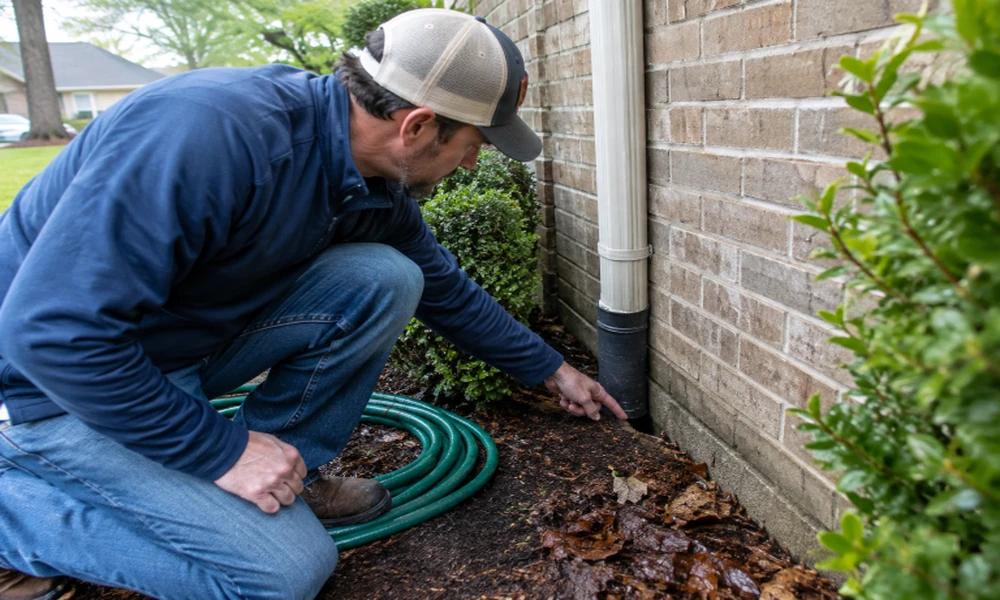
- Clean gutters and direct downspouts away from the foundation.
- Remove wet leaf piles, fallen branches, and debris near the house.
- Trim shrubs, vines, and branches away from siding, windows, and rooflines.
- Repair damaged screens, door sweeps, and weather stripping.
- Check garages, utility rooms, crawl spaces, and attics for leaks, droppings, or damp materials.
- Seal gaps around utility pipes, cables, vents, and foundation penetrations.
Summer: Control Food, Water, and Outdoor Activity
- Cover food and drinks during cookouts, then clean grills, patios, and outdoor eating areas.
- Keep trash lids closed and rinse food residue from recycling containers.
- Empty water from buckets, toys, plant saucers, tarps, and other containers after rain.
- Fix dripping faucets, hose connections, and irrigation problems.
- Keep grass, weeds, brush, and ground cover trimmed near doors and play areas.
- Use repellents according to their labels, and avoid disturbing suspected stinging-insect nests.
Fall: Close Off Sheltered Spaces
- Inspect rooflines, soffits, chimney areas, vents, siding joints, and garage-door seals.
- Clear leaves from gutters, window wells, and foundation edges.
- Move firewood away from the house and keep it raised off the ground.
- Store birdseed, pet food, and garden supplies in tightly sealed containers.
- Look in attics and garages for gnaw marks, nesting material, odors, and droppings.
Winter: Monitor Quiet Indoor Areas
Outdoor activity may be less noticeable in winter, but pests can remain active in protected spaces. Reduce cardboard clutter, organize storage, repair plumbing leaks and condensation, and inspect pantry goods for damaged packaging. Listen for scratching in ceilings or walls, particularly around attics, garages, and utility areas.
Common Pest Attractants Around the Home
Most household pest prevention comes back to four essentials:
- Food: crumbs beneath appliances, open trash, overripe fruit, pet food left out overnight, and unwashed recyclables.
- Water: leaky pipes, clogged gutters, overwatered landscaping, condensation, and outdoor containers holding water.
- Shelter: leaf litter, firewood against the home, dense vegetation, cluttered sheds, and cardboard piles.
- Entry points: cracked foundations, loose siding, damaged screens, gaps around utilities, and worn weather stripping.
How Integrated Pest Management Works
Integrated pest management is a practical approach that starts with inspection and prevention rather than immediately relying on broad pesticide application. Texas homeowners can use integrated pest management methods for common household pests to guide decisions about exclusion, sanitation, monitoring, and targeted control.
- Inspect: Look for moisture, damage, openings, and evidence of pests.
- Identify: Confirm what pest is present before selecting a response.
- Prevent: Remove access to food, water, shelter, and indoor entry.
- Monitor: Note where activity occurs and whether it is increasing.
- Control: Choose the least risky effective option for the specific problem.
Safe Pest Product Use
Pesticides can be useful when prevention alone is not enough, but they should not replace repairs, cleaning, or moisture control. Follow pesticide safety directions for household use by reading the full label, using only the listed amount, and applying products only where the label permits.
- Keep products in original containers and away from children, pets, food, and food-preparation areas.
- Never use an outdoor product indoors unless its label specifically allows indoor use.
- Do not mix products unless the label directs it.
- When appropriate, use traps, baits, or carefully targeted treatments rather than treating an entire room.
Warning Signs That Need Attention
Take a closer look when sightings repeat in the same room, pests appear in several areas, or fresh droppings, grease marks, gnaw damage, discarded wings, nests, webs, or unusual odors appear. Scratching inside walls or ceilings and visible damage to wood, wiring, insulation, or food packaging also warrant prompt investigation.
Frequently Asked Questions
How often should a home be checked? Perform a brief monthly inspection, with closer checks after storms, heavy rain, flooding, or major repairs.
Can cleaning prevent every problem? No. Cleaning reduces food and shelter, but it cannot fix leaks, structural gaps, damaged screens, or outdoor pest pressure.
When is professional help appropriate? Seek qualified help when activity persists, pests are entering hidden spaces, stinging insects are near frequently used areas, the pest cannot be identified, or structural damage may be present.
Conclusion
Seasonal pest prevention is routine Texas home care. By inspecting regularly, storing food securely, managing moisture, maintaining the yard, and repairing small openings, homeowners can reduce many common pest risks throughout the year.
