

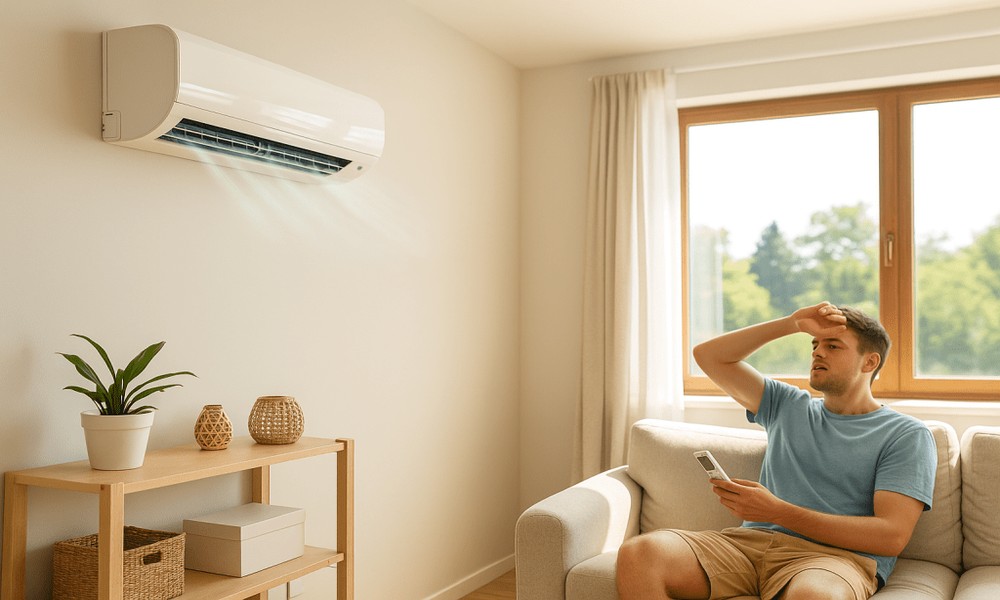
When your air conditioner constantly turns on and off, it’s more than just a minor annoyance-it’s a warning sign. This irregular behavior, often overlooked, can lead to higher energy bills, reduced comfort, and long-term damage to your HVAC system. Understanding what’s behind this issue is essential for maintaining efficiency and avoiding costly repairs.
One of the most common causes of this problem is known as AC short cycling. This occurs when your system frequently starts and stops without completing a full cooling cycle. Instead of running steadily, the unit struggles to maintain consistent temperatures, putting unnecessary strain on its components.
What Is AC Short Cycling?
Short cycling refers to an air conditioner that powers on and off in quick intervals. Ideally, your AC should complete a full cycle-cooling your home to the desired temperature before shutting off. When that cycle is interrupted repeatedly, performance suffers.
In many cases, homeowners notice uneven cooling, increased humidity, or sudden spikes in electricity usage. These signs often point directly to AC short cycling, which can worsen if left unaddressed.
Common Signs Your AC Is Short Cycling
Inconsistent Cooling Throughout the Home
Rooms may feel unevenly cooled, with some areas too warm while others feel overly cold. This inconsistency indicates that your system isn’t running long enough to distribute air effectively.
Frequent System Startups
If your AC turns on every few minutes, it’s a clear indication that something isn’t functioning properly. This constant restarting wears out key components faster.
Higher Energy Bills
Short cycling forces your system to work harder than necessary. Each startup consumes more power than continuous operation, leading to noticeable increases in your utility bills.
Excessive Wear and Tear
Frequent cycling accelerates the aging of compressors, fans, and electrical parts. Over time, this can result in expensive repairs or even system replacement.
What Causes Frequent AC On-Off Cycling?
1. Incorrect Thermostat Placement
If your thermostat is installed near a heat source or in direct sunlight, it may misread temperatures. This causes your AC to shut off prematurely or turn on unnecessarily.
2. Dirty Air Filters
Clogged filters restrict airflow, making it harder for your system to function efficiently. As a result, the AC may overheat and shut down before completing a cycle.
3. Refrigerant Issues
Low refrigerant levels or leaks disrupt the cooling process. When the system can’t maintain proper pressure, it cycles more frequently to compensate.
4. Oversized AC Unit
An oversized system cools the space too quickly, causing it to shut off before completing a full cycle. While it may seem beneficial, it actually reduces efficiency and comfort.
5. Electrical or Sensor Problems
Faulty wiring, damaged sensors, or control board issues can interfere with normal operation, triggering irregular cycling patterns.
Why You Shouldn’t Ignore Short Cycling
Ignoring short cycling can lead to serious consequences. Beyond discomfort, it directly impacts your system’s lifespan and efficiency. Continuous strain on the compressor-the heart of your AC-can result in premature failure.
Additionally, short cycling prevents proper humidity control. This can make indoor air feel sticky and uncomfortable, especially during hot summer months. Addressing the issue early helps protect both your system and your home environment.
Smart Solutions to Fix AC Short Cycling
Schedule Regular HVAC Maintenance
Routine inspections help identify potential issues before they escalate. Professional technicians can clean components, check refrigerant levels, and ensure everything operates smoothly.
Replace or Clean Air Filters
One of the simplest fixes is maintaining clean filters. This improves airflow and reduces unnecessary strain on your system.
Upgrade or Reposition Your Thermostat
Installing a programmable or smart thermostat in an optimal location can significantly improve performance. Accurate readings lead to better cycling behavior.
Check System Size and Installation
If your unit is too large for your home, consult an HVAC expert. They can recommend solutions such as zoning systems or replacing the unit with a properly sized model.
Address Refrigerant Leaks Promptly
Low refrigerant should never be ignored. A licensed technician can locate leaks, repair them, and recharge the system safely.
Quick Tips to Prevent AC Cycling Issues
- Change air filters every 1-3 months
- Keep vents and registers unobstructed
- Schedule annual HVAC tune-ups
- Ensure proper insulation in your home
- Use a programmable thermostat for better control
These simple steps can go a long way in maintaining system efficiency and preventing recurring issues.
Final Analysis
Frequent AC on-off cycling is more than a minor inconvenience-it’s a sign that your system needs attention. From thermostat placement to refrigerant levels, several factors can contribute to this problem. By recognizing the warning signs early and taking proactive steps, you can improve energy efficiency, extend your system’s lifespan, and maintain consistent indoor comfort.
If your air conditioner isn’t performing as it should, don’t wait for the issue to worsen. A timely inspection and proper maintenance can restore your system’s performance and keep your home cool and comfortable when it matters most.
