

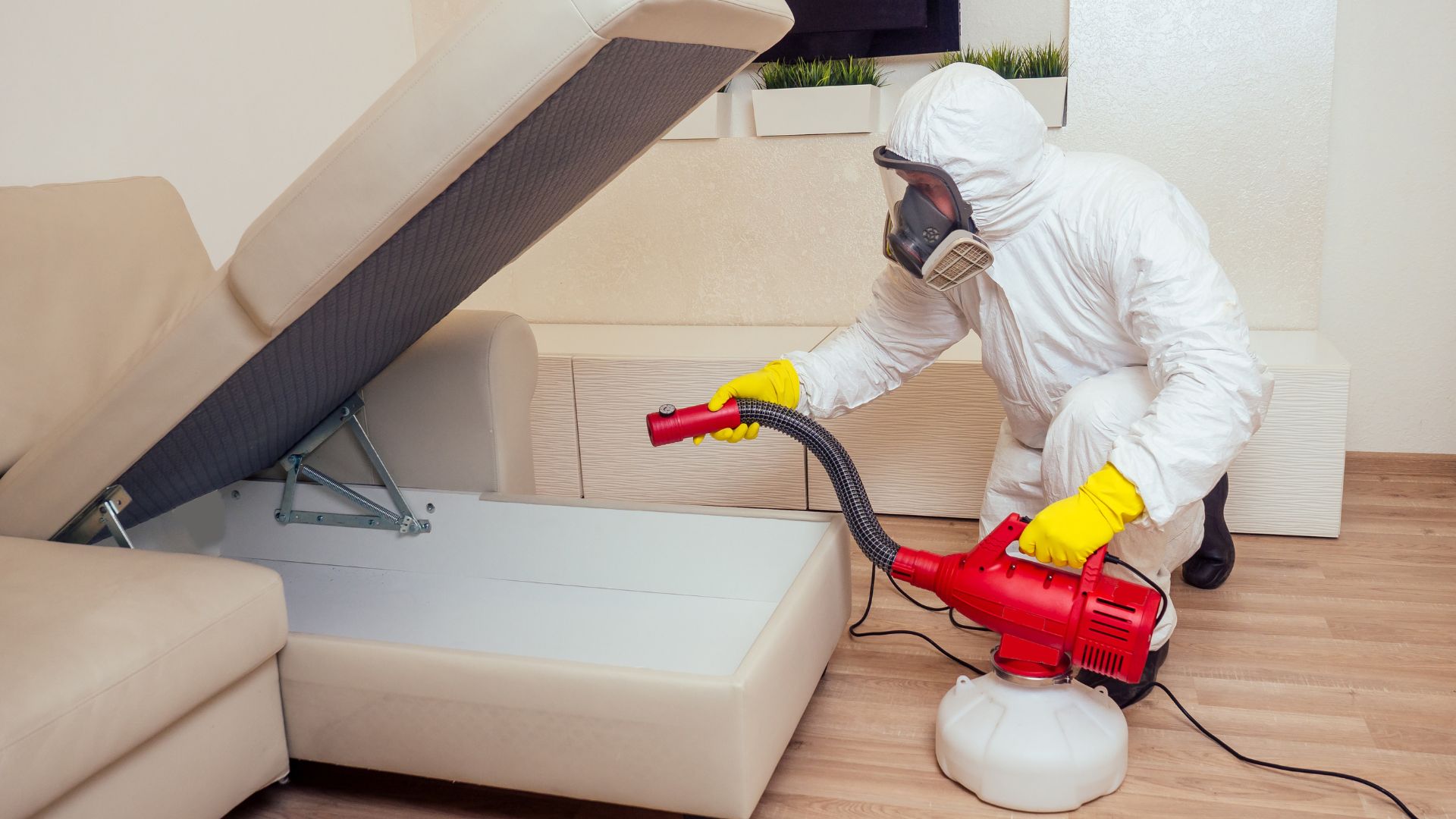
Pests can find their way into your home at any time of year, causing property damage, health risks, and general discomfort. From ants and cockroaches to rodents and spiders, indoor pests are persistent intruders that thrive in hidden spaces. Proactive prevention, combined with expert guidance, is essential for maintaining a clean, safe, and pest-free environment.
This blog explores common indoor pests, signs of infestations, prevention strategies, and the benefits of professional pest management.
1. Common Indoor Pests
Different pests are drawn to homes for food, shelter, and warmth.
Typical indoor pests include:
- Ants: Often enter in search of food and water.
- Cockroaches: Thrive in kitchens, bathrooms, and damp areas.
- Spiders: Seek shelter in dark, quiet spaces.
- Rodents: Mice and rats enter for warmth, food, and nesting.
- Flies: Attracted to food, waste, and moisture.
- Silverfish and other insects: Found in bathrooms, basements, and storage areas.
Understanding which pests are likely to invade your home helps prioritize prevention efforts.
2. Signs of Indoor Pest Infestations
Detecting pests early can prevent significant damage and health risks.
Common signs include:
- Droppings or urine stains: Small pellets from rodents or dark specks from insects
- Chewed wires or furniture: Evidence of gnawing by rodents
- Unusual odors: Musky or musty smells from pests or nesting areas
- Bites or skin irritation: Reactions from fleas, bed bugs, or mites
- Shed skins, eggs, or nests: Indicates active pest populations
- Noises: Scratching, scurrying, or buzzing sounds in walls, ceilings, or attics
Regular inspections can help homeowners catch infestations early.
3. Prevention Strategies for Indoor Pests
Proactive measures can significantly reduce the likelihood of indoor pest infestations.
Key preventive strategies include:
- Seal entry points: Close gaps around windows, doors, vents, and plumbing
- Maintain cleanliness: Store food in airtight containers, dispose of trash regularly, and clean spills promptly
- Reduce moisture: Fix leaks, use dehumidifiers, and ensure proper ventilation in bathrooms and basements
- Declutter: Remove piles of paper, cardboard, or unused items that provide hiding places
- Inspect incoming items: Check secondhand furniture or packages for signs of pests
Consistent implementation of these strategies is essential for long-term indoor pest control.
4. DIY Indoor Pest Control Methods
Homeowners can take several steps to manage minor indoor pest issues.
Effective DIY methods include:
- Traps and bait stations: For ants, rodents, and cockroaches
- Vacuuming and steam cleaning: Removes pests, eggs, and food sources
- Essential oils and natural repellents: Peppermint oil, neem oil, or diatomaceous earth for minor infestations
- Regular monitoring: Check common problem areas, such as kitchen cabinets, baseboards, and storage rooms
While helpful, DIY methods may not be sufficient for larger or hidden infestations.
5. Benefits of Professional Indoor Pest Management
Professional pest control provides expertise, safety, and long-term solutions for indoor infestations.
Advantages include:
- Accurate identification: Determines the pest type and infestation severity
- Targeted treatments: Custom solutions that minimize chemical use and maximize effectiveness
- Long-term prevention: Plans to prevent future infestations
- Health protection: Reduces exposure to allergens, bacteria, and disease-carrying pests
- Peace of mind: Ensures homes remain safe and pest-free year-round
Professional services are especially important for persistent or hidden infestations.
6. Eco-Friendly Indoor Pest Solutions
Many pest management providers offer eco-friendly treatments that prioritize safety and sustainability.
Eco-friendly approaches include:
- Non-toxic sprays and baits: Plant-based or low-toxicity solutions
- Physical barriers: Screens, door sweeps, and sealing cracks
- Natural deterrents: Essential oils or traps
- Monitoring devices: Sticky traps or electronic sensors to track pest activity
Eco-friendly methods protect family members and pets while effectively managing indoor pests.
7. Seasonal Indoor Pest Considerations
Indoor pest activity can vary with the seasons, requiring adaptable strategies.
Seasonal tips include:
- Winter: Rodents and spiders seek warmth indoors
- Spring: Ants and termites may enter from outside
- Summer: Flies, cockroaches, and mosquitoes increase activity near kitchens and water sources
- Fall: Rodents and insects seek shelter from cooler outdoor temperatures
Adjusting prevention strategies seasonally enhances indoor protection.
8. Where to Access Professional Indoor Pest Control
Maintaining a pest-free home requires ongoing vigilance, preventive measures, and professional expertise. Professional services ensure safe and effective pest management for indoor environments.
For homeowners seeking reliable indoor pest control, Positive Pest Management provides comprehensive inspections, treatment plans, and prevention strategies. Their team offers expert solutions to keep homes safe, clean, and free from indoor pests year-round.
Conclusion
Indoor pests can disrupt daily life, damage property, and pose health risks. Early detection, preventive measures, and professional intervention are essential to managing infestations effectively.
By combining proactive strategies, eco-friendly solutions, and expert pest management, homeowners can protect their living spaces from common indoor pests. A well-maintained, pest-free home ensures safety, comfort, and peace of mind throughout the year.
