
Australia’s housing market continues to evolve as changing lifestyles, economic conditions, and demographic shifts influence where and how people choose to live.
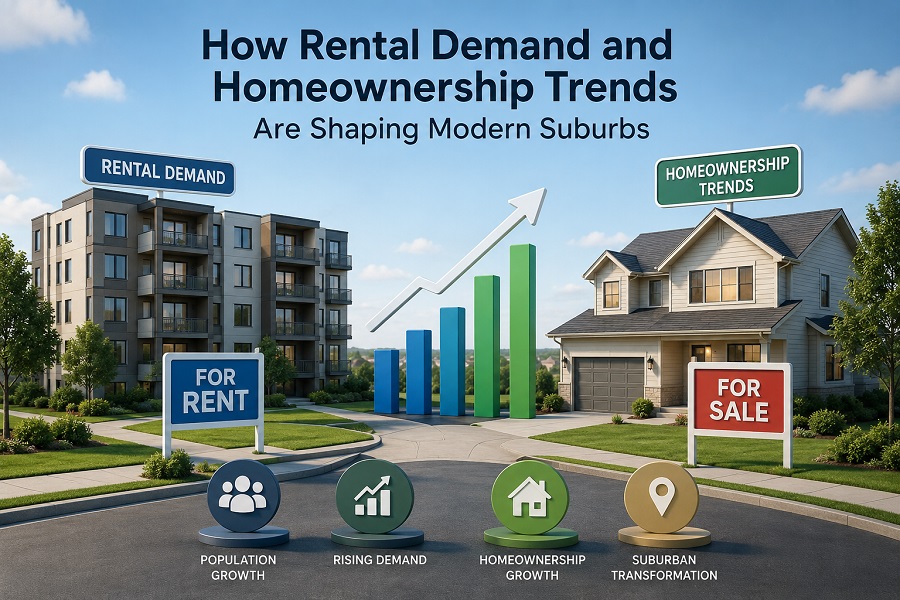
One of the most significant trends emerging in recent years is the increasing interaction between owner-occupier demand and rental demand. Rather than operating independently, these two forces often work together to shape the long-term performance of residential suburbs.
For buyers, investors, and renters alike, understanding these dynamics can provide valuable insights into which areas may continue attracting strong demand in the future.
The Modern Housing Market Is More Flexible
Traditional housing pathways often followed a predictable pattern.
People would:
- Rent a property.
- Save for a deposit.
- Purchase a home.
- Remain there for many years.
Today’s housing market is far more fluid.
Individuals may:
- Rent while working remotely.
- Move for employment opportunities.
- Invest before buying a home.
- Alternate between renting and ownership at different life stages.
This flexibility has increased the importance of suburbs that can appeal to both homeowners and tenants.
Why Rental Demand Matters
Rental demand is often viewed primarily through an investor lens, but it provides valuable information for all property buyers.
Strong rental demand can indicate:
- Population growth
- Employment opportunities
- Lifestyle appeal
- Infrastructure quality
- Housing shortages
When an area consistently attracts renters, it often suggests broader market strength.
Buyers considering houses for sale edmondson park may benefit from understanding local rental demand because it can reflect the suburb’s overall attractiveness to residents.
The Role of Lifestyle Preferences
Modern renters and buyers increasingly prioritise lifestyle considerations.
People want access to:
- Public transport
- Green spaces
- Shopping centres
- Dining options
- Fitness facilities
- Educational institutions
As a result, suburbs that provide a balanced lifestyle often attract both renters and owner-occupiers.
This broad appeal can contribute to more stable housing demand over time.
Population Growth Continues to Influence Housing Markets
Population growth remains one of the most powerful forces affecting residential property.
Growing populations create demand for:
- Housing
- Infrastructure
- Services
- Employment opportunities
Areas experiencing sustained population growth often attract increased government and private investment, further strengthening their appeal.
Suburbs capable of accommodating new residents while maintaining quality of life frequently outperform areas with limited growth capacity.
Why Investors Watch Rental Markets Closely
Investors pay close attention to rental demand because it directly affects occupancy and income potential.
However, rental activity can also reveal broader trends about an area’s future prospects.
Strong rental demand often suggests:
- Employment accessibility
- Lifestyle attractiveness
- Population growth
- Infrastructure quality
These same factors can support future owner-occupier demand as well.
The Impact of Transport Connectivity
Transport remains one of the most important factors influencing both rental and ownership demand.
People value locations that provide convenient access to:
- Employment centres
- Universities
- Retail districts
- Entertainment precincts
Good transport connections reduce travel time and improve daily convenience.
As cities continue expanding, transport infrastructure will likely remain a major driver of housing demand.
Community Amenities Create Long-Term Appeal
Suburbs that offer strong community amenities often attract residents who wish to remain in the area for extended periods.
These amenities may include:
- Parks
- Sporting facilities
- Walking trails
- Community centres
- Family-oriented services
The presence of these features can improve resident satisfaction and contribute to neighbourhood stability.
Why Rental Trends Matter for Buyers
Even buyers who never intend to rent out a property can benefit from understanding rental trends.
Rental demand often reflects:
- Population movement
- Housing shortages
- Lifestyle preferences
- Employment growth
These factors can influence long-term property performance regardless of ownership intentions.
Housing Diversity Supports Stronger Communities
A diverse housing market can strengthen a suburb’s appeal.
Areas that accommodate:
- Renters
- First-home buyers
- Families
- Downsizers
- Investors
often experience more balanced growth.
Housing diversity helps attract residents at different life stages, supporting long-term community development.
The Future of Residential Demand
As Australia’s population continues growing, demand for well-connected suburbs is likely to remain strong.
The most successful communities will often be those that combine:
- Housing choice
- Infrastructure investment
- Lifestyle amenities
- Employment accessibility
These factors support both rental demand and owner-occupier interest.
Conclusion
The relationship between rental demand and homeownership is becoming increasingly important in Australia’s property market.
Areas that attract both renters and buyers often demonstrate strong underlying fundamentals and greater long-term resilience.
For those evaluating houses for sale edmondson park or monitoring edmondson park rent trends, understanding these broader market dynamics can provide valuable context beyond individual properties.
Successful property decisions are increasingly influenced by the strength of the community, the quality of infrastructure, and the suburb’s ability to meet the needs of a diverse and evolving population.
