

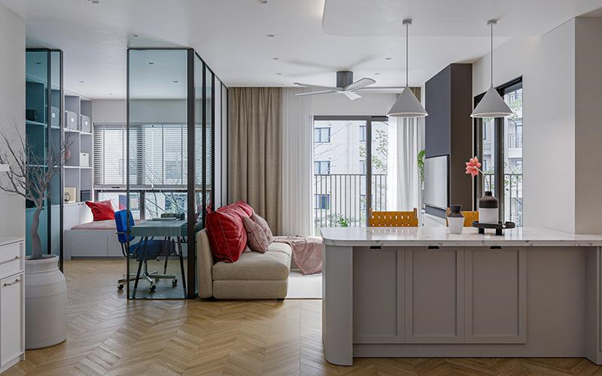
Beyond furniture and paint choices, the magic often lies in understanding the success factors that make residential interiors both beautiful and functional. Interior design in Singapore for residential spaces has evolved into a balance of creativity, practicality, and emotion. Good design is about how a home feels, flows, and functions. So, what sets a truly successful home makeover apart from one that looks good only on Instagram?
The Blueprint of Success
A well-designed home begins with efficient space planning, a foundation of every successful interior design project. Designers who specialise in interior design in Singapore for residential spaces know that functionality must lead form. Every inch of space must serve a purpose. Open layouts remain a popular choice, but it’s about creating visual continuity.
Strategic placement of rugs, partitions, and lighting can subtly define areas without making the home feel cramped. Ultimately, successful space planning blends practicality and personality, allowing homeowners to move freely, live comfortably, and express themselves creatively within compact footprints.
Setting the Mood Right
Lighting is one of the most underestimated yet powerful design elements. Designers often use layered lighting to balance brightness and ambience when natural light is abundant but harsh. The best interior design in Singapore considers task lighting for kitchens, soft diffused glow for bedrooms, and accent lighting for feature walls, all of which work together to create an atmosphere that changes with the time of day and activity.
Designers often recommend warm tones to create cosiness, especially in residential settings. Smart lighting systems are also gaining popularity, allowing homeowners to control brightness and hues to match moods or events. Good lighting makes people and a room look better. It enhances depth, texture, and overall livability in a truly successful home design.
Balance Between Beauty and Durability
Singapore’s humidity and lifestyle demands require materials that are both stylish and sturdy. Designers prioritise durable materials such as quartz for kitchen countertops, vinyl for flooring, and moisture-resistant laminates for cabinetry. These withstand the city’s climate and maintain a polished look over time.
Aesthetic balance matters by mixing textures and tones to create visual harmony. Matte finishes contrast beautifully with glossy accents; natural elements introduce warmth amid sleek, modern designs. Homeowners often overlook how materials influence acoustics and comfort. Softer furnishings can reduce echo in open spaces, while textured walls add visual and tactile depth. The success factor here lies in thoughtful material pairing, combining looks, longevity, and lifestyle compatibility.
Designing for Real Lives
A beautifully designed home that doesn’t match the owner’s lifestyle is just decoration. Successful interior design projects in Singapore are always human-centred. Families with children might need safe, rounded edges, easy-to-clean materials, and flexible layouts for play. Working professionals may prioritise ergonomic workspaces and mood-enhancing colours. Meanwhile, elderly homeowners often benefit from barrier-free designs with wider pathways and non-slip flooring.
This personalised approach is what differentiates interior design in Singapore for residential settings from generic global trends. Designers focus on understanding how people use their homes daily and then shaping spaces that support these routines seamlessly. A well-designed home feels intuitive. Every drawer, light switch, and seating arrangement makes sense for the person living there.
The Art of Subtle Storytelling
Style consistency is another cornerstone of good design. Successful homes in Singapore tell stories. Some homeowners love minimalist Japandi themes, others lean toward industrial chic or warm tropical resort vibes. Regardless of theme, what matters is coherence. The textures, colours, and finishes should feel intentional, not random.
Designers often use visual anchors to create unity across rooms. Repetition of design motifs subtly ties the space together without appearing repetitive. When every detail connects, the home feels complete. Cohesion is that invisible success factor that makes people walk in and say, “This feels right.”
The Invisible Hand Behind Every Dream Home
Behind every seamless design is a skilled team translating ideas into reality. Professional designers bring technical know-how, spatial insight, and construction expertise that most homeowners lack. They help bridge creative vision with practical implementation, from budgeting and material sourcing to timeline management.
Choosing experienced designers familiar with Singapore’s building regulations ensures the renovation journey is smooth and compliant. Beyond logistics, professionals offer perspective. They see what homeowners might overlook. That’s what transforms a space into a timeless one.
Success Starts with Intention
At its heart, successful interior design in Singapore for residential spaces is about intention. Every colour, texture, and fixture should serve a purpose: to make living easier, happier, and more inspiring. From space planning to sustainability, the success factors of interior design in Singapore all lead back to thoughtful living. A well-designed home looks good and feels like you.
Ready to uncover what makes a truly successful home design? Check out Carpenters and start building a space that tells your story today.
