

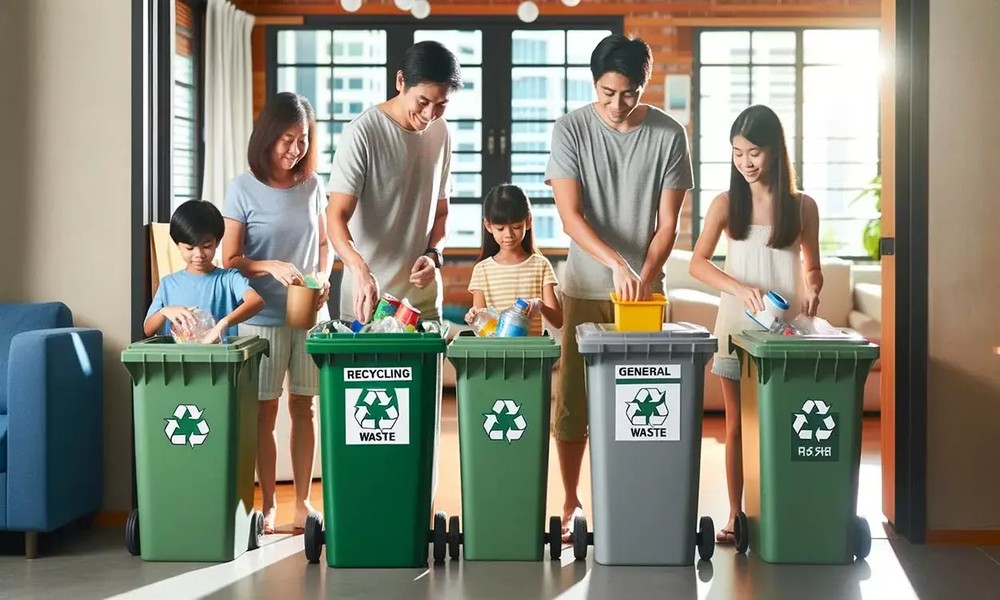
Understanding how rubbish collection singapore services work helps residents and businesses manage their waste efficiently and stay compliant with local regulations. From daily household collection to specialised waste pickup, Singapore’s waste management system is well-structured and reliable. This guide covers the services available, how scheduling works, and what you need to know to keep your disposal routine running smoothly.
How Household Rubbish Collection Works
Singapore’s household waste collection is managed by licensed public waste collectors appointed by the National Environment Agency. The country is divided into sectors, with each sector served by a designated waste collection company.
For HDB estates, waste collection typically operates as follows:
- Daily collection – general household waste is collected from bin centres located within each estate
- Rubbish chute system – most HDB blocks have a centralised chute system that channels waste from each floor to a bin centre at the ground level
- Bin centre management – the appointed waste collector empties bins daily and maintains cleanliness at the bin centre
For landed properties and private estates, the collection process is slightly different:
- Scheduled pickup – waste is collected on specific days, usually two to three times per week
- Bin placement – residents place their bins at the kerb on collection days
- Collection times – pickup typically occurs in the early morning hours
Commercial and Industrial Waste Collection
Businesses in Singapore are responsible for arranging their own waste disposal services through licensed general waste collectors or the appointed public waste collector for their sector.
Commercial waste collection differs from residential services in several ways:
- Customised schedules – businesses can arrange daily or multiple-times-per-day collection depending on waste volume
- Dedicated bins – larger bins or compactors may be provided for businesses generating high volumes of waste
- Recycling arrangements – many businesses also engage separate recycling collectors for paper, plastic, and other recyclable materials
- Contractual agreements – waste collection is typically arranged through annual contracts with licensed operators
Industries that generate specialised waste, such as construction, manufacturing, or food processing, must engage licensed collectors who are approved to handle those specific waste types.
Scheduling and Frequency
The frequency of waste collection in Singapore is designed to ensure cleanliness and hygiene across all types of properties:
- HDB estates – daily collection from bin centres, seven days a week
- Condominiums and private estates – typically three times per week on fixed days
- Commercial premises – daily or as arranged with the waste collector
- Construction sites – scheduled based on project needs and waste volume
“The cleanliness of a city reflects the discipline and values of its people.” – Lee Kuan Yew. Singapore’s consistently high standards of waste management are a testament to both civic responsibility and a well-organised collection system.
If your regular collection schedule does not meet your needs, you can contact your appointed waste collector to discuss adjustments or additional services.
Recycling Collection
In addition to general waste collection, Singapore has a nationwide recycling programme. Blue recycling bins are placed in all HDB estates, condominiums, and landed housing areas.
Key points about recycling collection include:
- Commingled collection – all recyclable items can be placed in the same blue bin without sorting
- Fortnightly or weekly pickup – recycling bins are typically collected once every one to two weeks
- Accepted items – paper, plastic bottles and containers, glass, and metal cans
- Not accepted – food-contaminated items, styrofoam, and soft plastics like cling wrap
Proper recycling reduces the volume of waste sent to Semakau Landfill, Singapore’s only landfill, and helps extend its lifespan.
Bulky Item and Special Waste Collection
For items that cannot go through regular trash pickup, additional services are available:
- Town council bulky item removal – HDB residents can arrange for collection of large items such as furniture and appliances
- E-waste collection – designated bins and periodic drives for electronic waste
- Hazardous waste disposal – specialised channels for chemicals, batteries, and other dangerous materials
- Private waste removal companies – for comprehensive clearances that go beyond what town council services cover
Fees and Charges
Waste collection fees in Singapore are structured as follows:
- HDB households – waste collection charges are included in the monthly service and conservancy fees paid to the town council
- Condominiums – charges are included in the monthly maintenance fees
- Landed properties – a separate waste collection fee applies, typically around 8 to 10 dollars per month
- Commercial premises – fees are negotiated with the waste collector based on volume and frequency
Staying on Top of Waste Management
Effective rubbish collection singapore residents and businesses depend on requires awareness of the schedule, proper waste segregation, and compliance with disposal guidelines. By understanding how the system works and utilising the right channels for different types of waste, you can keep your space clean and contribute to Singapore’s commitment to a sustainable environment.
