

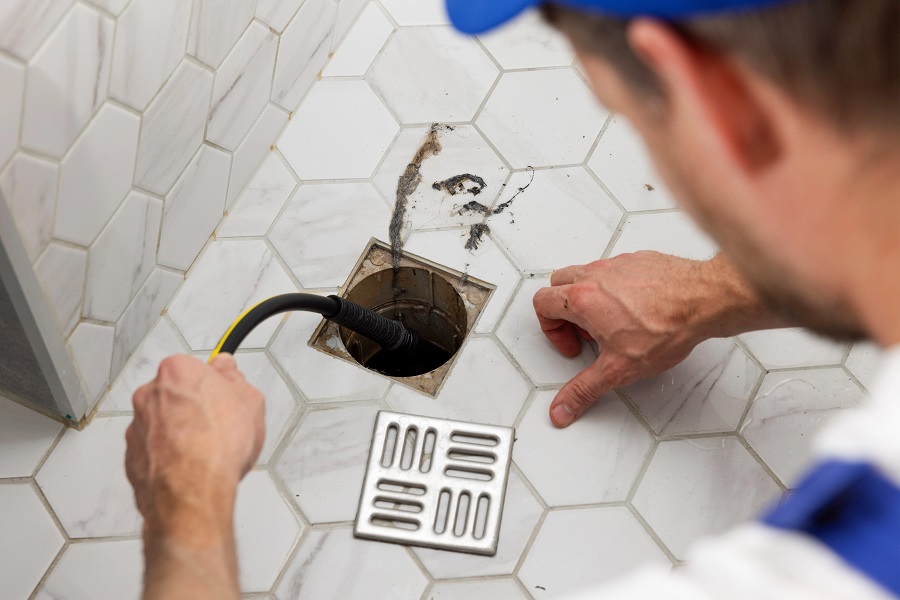
Bathroom drains handle a unique mix of materials every day, which is one reason they tend to clog more often than drains in other parts of the home. From hair and soap residue to mineral buildup and personal care products, bathroom plumbing systems experience constant strain. Understanding why these drains clog more quickly can help homeowners make smarter decisions about drain maintenance and reduce the risk of major plumbing issues.
Hair Buildup Is the Leading Cause
One of the most common causes of bathroom drain clogs is hair. When hair enters the drain, it rarely flows through the plumbing system easily. Instead, it tends to catch on small imperfections in the pipe walls or on existing debris. Over time, this creates a tangled mass that traps soap residue, toothpaste, and other materials.
Even small amounts of hair washed down the drain daily can accumulate into a significant blockage. Without regular drain maintenance, these clogs can slow water flow and eventually lead to complete drain obstruction.
Soap Scum and Residue Accumulation
Soap may seem harmless, but many soaps contain fats that combine with minerals in the water to form a thick residue known as soap scum. This sticky substance coats the inside of pipes and creates an ideal surface for other debris to cling to.
As soap scum builds up, the pipe diameter effectively becomes smaller. This reduces water flow and makes it easier for hair and other debris to collect, accelerating the clogging process.
Personal Care Products Add to the Problem
Bathroom sinks and tubs often handle products that kitchen drains never encounter. Items such as shaving cream, lotions, toothpaste, and cosmetics can all contribute to buildup inside pipes. These products may appear to dissolve in water, but many contain oils or thickening agents that leave behind residue.
Over time, these substances combine with hair and soap scum to form stubborn blockages that are difficult to remove without professional drain cleaning.
Mineral Deposits From Hard Water
In many regions, hard water contains high levels of calcium and magnesium. These minerals can accumulate along pipe walls, forming a hard scale that narrows the drain passage.
When this occurs, even small amounts of debris can cause clogs more quickly. Mineral buildup also creates rough surfaces inside the pipe, making it easier for hair and soap residue to stick.
Routine drain maintenance helps address this issue before it becomes severe enough to impact plumbing performance.
Pipe Design and Bathroom Drain Structure
Bathroom plumbing systems often include curves and traps designed to prevent sewer gases from entering the home. While these components serve an important purpose, they can also create areas where debris settles.
These bends slow the movement of water slightly, allowing materials like hair and soap residue to accumulate more easily compared to straight pipe sections.
The Importance of Consistent Drain Maintenance
While bathroom drains are more prone to clogging, many problems can be prevented with consistent drain maintenance. Regular inspections and professional cleaning help remove buildup before it leads to slow drainage or backups.
Professional service providers often use specialized equipment to clear stubborn buildup and ensure pipes remain in good condition. Preventive maintenance not only improves drainage but can also extend the lifespan of household plumbing systems.
Final Thoughts
Bathroom drains clog faster than other drains primarily because of the combination of hair, soap residue, personal care products, and mineral deposits they handle daily. Over time, these materials accumulate and restrict water flow.
By understanding the factors that contribute to bathroom drain clogs and prioritizing routine drain maintenance, homeowners can help keep their plumbing systems operating efficiently and reduce the likelihood of costly repairs.
