
Why First Impressions Matter: The Value of Curb Appeal
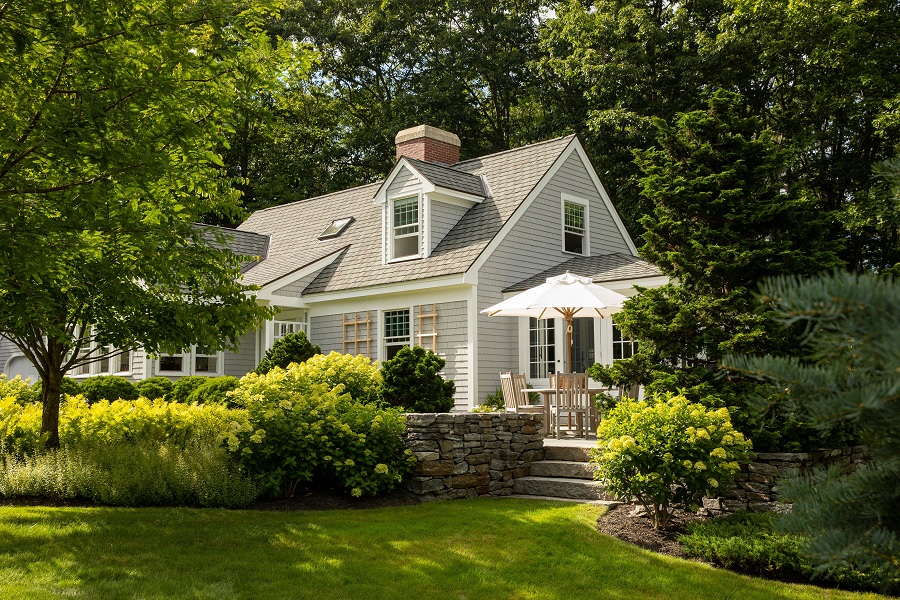
Your home’s exterior is more than just walls and a roof. It’s the first thing everyone sees. It creates that all-important first impression. A home with great curb appeal looks inviting. It also holds more value.
We understand that thinking about home improvements can feel big. However, some exterior home upgrades can have a significant impact. They boost both beauty and function. These changes enhance the appearance and functionality of your home. They also add to its overall value.
We will explore three smart upgrades. These are proven to give you the best return. They will help you boost your home’s curb appeal. And they will make it the best on the block.
The Financial and Functional Case for Exterior Home Upgrades
When discussing home improvements, the concept of Return on Investment (ROI) is crucial. It helps us understand which projects will not only improve our living space but also recoup a significant portion of their cost when it’s time to sell. The annual Zonda Cost vs. Value Report consistently highlights that exterior upgrades are often the clear winners in this regard. This report, which ranks common home renovation projects by their ROI, frequently shows that exterior improvements outperform interior remodels when it comes to increasing resale value.
Beyond the financial gains, exterior upgrades serve vital functional purposes. They protect from the elements, safeguarding our homes against harsh weather conditions like intense heat, heavy rains, or hailstorms. This protection is not just about comfort; it’s about maintaining the structural integrity of the entire property. Furthermore, many exterior improvements significantly boost energy efficiency. Upgrading elements like siding, windows, and doors can create a more effective thermal envelope, reducing energy loss and lowering utility bills. The dual benefits of improved aesthetics and enhanced functionality make exterior upgrades a wise investment for any homeowner.
Consider this: a new roof can yield over 100% of its cost back at resale, making it one of the most impactful investments you can make. In fact, various reports indicate that 7 of the 10 home improvements with the highest ROI are on the exterior. This underscores the power of curb appeal and the practical benefits of maintaining a well-protected and energy-efficient home. While interior remodels can be personally rewarding, their appeal is often too subjective to guarantee the same return when it’s time to sell. Exterior projects, however, have a broader, more universal appeal that directly translates into increased market value.
Upgrade 1: Fortify Your Home’s Protective Shell
The exterior shell of your home—your roof and siding—acts as its primary defense against the outside world. These components are critical for maintaining structural integrity, protecting against weather, and ensuring the comfort and safety of your family. Upgrading them is not just about aesthetics; it’s about fortifying your home for long-term value and peace of mind.
A New Roof: The Ultimate Investment in Protection and Value
Replacing your roof is arguably one of the most impactful exterior home upgrades you can undertake. It’s a significant investment, with a roof replacement potentially costing anywhere from $8,000 to $50,000 or more, depending on the size, materials, and complexity of the job. However, its return on investment is consistently high, often recouping a substantial portion, if not exceeding, its initial cost at resale. More importantly, a new or well-maintained roof prevents costly water damage, mold growth, and structural issues that can arise from an aging or compromised roof.
When considering a new roof, material choice is key. Asphalt shingles are a popular and affordable option, offering a good balance of cost and durability, typically lasting 15 to 30 years. Metal roofing, although it requires a higher upfront investment, offers superior longevity (40-70 years), exceptional durability against extreme weather conditions, and can significantly improve energy efficiency by reflecting solar heat. For homeowners in areas prone to hail, such as many parts of Texas, impact-resistant shingles or metal roofs provide enhanced protection. Local climate considerations are paramount; a roof suitable for a snowy region might not be ideal for the intense heat and hailstorms common in other areas.
A complete replacement is one of the most impactful EMC exterior home upgrades a homeowner can undertake because it addresses not only immediate structural concerns but also proactively prevents future problems. When selling a home, a new roof is a significant selling point, reducing objections during the sales process and signaling to buyers that the home has been well-maintained. It also helps in addressing home inspection issues, as a worn or damaged roof is often a red flag for prospective buyers and can lead to significant negotiation points or even deal collapse. Investing in a quality roof replacement ensures your home is protected, energy-efficient, and highly marketable.
New Siding: A Facelift with Functional Benefits
Siding is the second skin of your home, playing a crucial role in its visual appeal and protection. Replacing old, damaged, or outdated siding can dramatically transform your home’s curb appeal, making it look neglected to stunning. Beyond aesthetics, new siding offers significant functional benefits, including improved weather resistance, improved insulation, and reduced maintenance needs. The ROI for siding replacement is also strong, with vinyl siding recouping around 63-80% of its cost and fiber cement siding often exceeding 75-88% return.
When choosing new siding, you have several popular options, each with unique characteristics:
- Vinyl Siding: This is a highly affordable and low-maintenance choice, available in a vast array of colors and styles. It’s durable and relatively easy to install, making it a popular option for many homeowners.
- Fiber Cement Siding (e.g., James Hardie Board): Renowned for its exceptional durability and weather resistance, fiber cement is an ideal choice for climates with significant temperature fluctuations. It resists rot, pests, and fire, and can mimic the look of wood or masonry. While more expensive than vinyl, its longevity and robust protection make it a worthwhile investment.
- Insulated Siding: This option incorporates a layer of rigid foam insulation, providing an additional thermal barrier for your home. This significantly improves energy efficiency, helping to reduce utility bills and improve indoor comfort year-round.
The right siding choice can profoundly change your home’s curb appeal, offering a fresh, modern look or restoring a classic aesthetic. It also translates into low maintenance for years to come, freeing up your time from the constant need for painting or repairs. By selecting a material that suits your home’s architectural style and your local climate, you can achieve a beautiful facade that is both functional and adds substantial value to your property.
Upgrade 2: Create a Grand and Secure Entrance
The entryway and garage door are often overlooked as opportunities for significant upgrades, yet they are crucial elements of your home’s exterior. They are not just functional access points; they are prominent features that contribute immensely to curb appeal, security, and even energy efficiency. Investing in these areas can create a grand and secure entrance that leaves a lasting positive impression.
The Front Door: Your Home’s First Handshake
Your front door is more than just an entry point; it’s the focal point of your home’s facade, offering a welcoming “handshake” to visitors and setting the tone for what lies within. Replacing an old or worn front door can dramatically improve curb appeal and significantly boost your home’s resale value, with many projects recouping over 75-80% of their cost. Beyond aesthetics, a new front door improves security and energy efficiency.
Consider the material options:
- Steel Doors: These are among the most secure and affordable options. They offer excellent insulation and can withstand harsh weather, though they can be prone to rusting, denting, or chipping if not correctly maintained.
- Fiberglass Doors: More affordable than wood, fiberglass doors boast an energy-efficient core and are highly durable, resisting rot, warping, and rust. They can be molded to mimic the appearance of wood grain and are available in a wide range of styles.
- Wood Doors: While often the most expensive choice, wood doors offer a rich, inviting, and classic look that can be stained or painted. They provide excellent insulation but require more maintenance to protect against warping and weathering.
The color of your front door also plays a psychological role in curb appeal. For instance, research indicates that painting your front door black can increase your home’s sale price by a significant margin, with some studies suggesting an increase of over $6,000. This is because black often conveys a sense of sophistication and modernity. Conversely, specific colors, such as yellow, have been found to decrease perceived value. Choosing a door that complements your home’s architectural style, along with modern house numbers and stylish sconce lighting, creates an inviting and secure entrance that truly makes a statement.
The Garage Door: A Surprising ROI Champion
Often viewed as purely functional, the garage door is actually one of the most prominent and most visible features of your home’s exterior. Upgrading it offers one of the highest returns on investment among all home improvements, with some reports indicating an ROI that can exceed 200%. This impressive figure underscores the significant impact a new garage door has on curb appeal and perceived value.
An old, dented, or outdated garage door can detract from your home’s overall aesthetic, making the entire property appear neglected. A new garage door, especially one that complements your home’s architectural style, can provide an immediate and significant facelift to your home’s exterior. Modern styles, such as carriage house designs, contemporary glass panels, or traditional raised-panel doors, can dramatically improve curb appeal. Beyond aesthetics, new garage doors often come with improved insulation, which contributes to your home’s energy efficiency, especially if your garage is attached or well-insulated. They also offer improved security features and smoother, quieter operation.
Even simple Victorville garage door upgrades can significantly transform your home’s exterior. For example, adding decorative hardware or a fresh coat of paint can provide a quick and affordable refresh. However, a complete replacement offers the most substantial benefits.
Here’s a list of popular garage door materials, each offering different aesthetics, durability, and price points:
- Steel: Durable, low-maintenance, and available in various styles and finishes. It can be insulated for energy efficiency.
- Wood: Offers a classic, warm, and customizable look but requires more maintenance.
- Aluminum: Lightweight and resistant to rust, it is often used for modern designs with glass panels.
- Fiberglass: Mimics the look of wood without the maintenance, and is resistant to dents and corrosion.
- Vinyl: Extremely durable and low-maintenance, resistant to dents and scratches, ideal for harsh climates.
Choosing the right material and style ensures your garage door not only functions flawlessly but also significantly lifts your home’s curb appeal and contributes to its overall value.
Upgrade 3: Improve Livability with Outdoor Spaces and Lighting
The appeal of your home extends beyond its walls. Thoughtfully designed outdoor spaces and strategic lighting can transform your exterior into an extension of your living area, enhancing both livability and aesthetic charm. These upgrades create an inviting ambiance, improve functionality, and provide perfect settings for entertainment or relaxation.
Landscaping and Lighting: Setting the Scene
Landscaping and exterior lighting are often the most cost-effective ways to improve curb appeal. They set the scene for your home, creating an immediate visual impact that can be both welcoming and dramatic. The beauty of these upgrades lies in their versatility and the potential for high impact with relatively low investment.
For landscaping, focus on creating clean lines and a well-maintained appearance. Simple, low-cost landscaping ideas include:
- Trimming and Pruning: Regularly trim trees, shrubs, and bushes to keep them neat and prevent them from obscuring your home’s features.
- Adding Mulch: A fresh layer of mulch in garden beds instantly tidies up the landscape, retains moisture, and suppresses weeds.
- Seasonal Flowers: Planting colorful seasonal flowers near the entrance or in window boxes adds vibrant pops of color and a welcoming touch.
- Defining Edges: Clearly defined garden beds and pathways create a polished and organized look.
- Low-Maintenance Plants: Opt for plants that thrive in your local climate and require minimal watering and care, ensuring your landscape remains attractive without constant effort.
Exterior lighting serves multiple purposes: safety, security, and ambiance.
- Walkway Illumination: Path lights guide visitors safely to your door and highlight architectural features.
- Uplighting: Strategically placed uplights can dramatically highlight trees, architectural details, or textured walls, adding depth and sophistication to your home’s facade at night.
- Sconce Lighting: Fixtures flanking your front door or garage can provide both functional light and a decorative element.
- Security Lighting: Motion-sensor lights deter intruders and provide peace of mind.
By combining thoughtful landscaping with well-placed lighting, you can create an exterior that is not only beautiful during the day but also captivating and secure after dusk. These elements work together to improve your home’s overall appeal and livability.
Patios and Decks: Extending Your Living Area
In today’s housing market, outdoor living spaces are highly sought after, making patios and decks excellent investments for both personal enjoyment and potential resale value. These additions effectively extend your home’s usable square footage, creating outdoor “rooms” where you can relax, dine, and entertain. Studies show that deck and patio additions offer a solid ROI, with wood decks recouping around 83-95% of their cost and composite decks offering a return of 68-89%. Beyond the financial return, the “joy score” associated with these projects is consistently high, reflecting the immense personal enjoyment homeowners derive from them.
Creating an inviting patio or deck involves more than just construction; it’s about designing a space that complements your home and lifestyle. Consider elements like:
- Material Choice: Wood (cedar, redwood, pressure-treated) offers a natural look, while composite materials provide low maintenance and durability. Patios can be made from concrete, pavers, or natural stone, each offering distinct aesthetic and functional qualities.
- Layout and Flow: Design the space to integrate seamlessly with your home’s interior, creating a natural flow between indoor and outdoor living areas.
- Amenities: Incorporate features such as built-in seating, fire pits, outdoor kitchens, or pergolas to enhance functionality and comfort.
To truly define these outdoor spaces and add a touch of luxury, investing in high-quality, sustainable teak outdoor furniture is an excellent choice. Teak is renowned for its exceptional durability, weather resistance, and elegant appearance, making it an ideal choice for outdoor environments. Its natural oils protect it from rot, pests, and extreme weather, ensuring longevity with minimal maintenance. By furnishing your patio or deck with beautiful, sustainable pieces, you create an inviting and sophisticated outdoor retreat that improves your home’s overall appeal and provides countless hours of enjoyment. These spaces not only boost your home’s value but also enrich your daily life.
Frequently Asked Questions About Exterior Home Upgrades
What single exterior upgrade adds the most value?
Garage door replacement consistently offers the highest return on investment, often exceeding 200% according to Zonda’s Cost vs. Value report. This is due to its significant impact on curb appeal and the relatively moderate cost compared to the value it adds. Steel entry doors and manufactured stone veneer are also top performers with exceptionally high ROI, often recouping well over 100% of their cost. These projects are obvious and make a substantial contribution to a home’s first impression.
How do I choose materials for my exterior home upgrades?
The best material choice strikes a balance between cost, durability, local climate, and your home’s architectural style. For instance, in hot climates, reflective metal roofing can significantly reduce cooling costs, while in hail-prone areas, durable fiber cement siding offers superior protection. Consider long-term maintenance for materials like wood, which require regular sealing or painting, versus low-maintenance options like vinyl or fiber-cement siding. For roofing, asphalt offers a cost-effective solution, while metal provides superior longevity and energy efficiency. Always research materials that are proven to perform well in your specific environmental conditions and complement your home’s design.
Should I repair or replace a damaged exterior element?
Repairing is suitable for minor, isolated damage, such as a few missing shingles, a small crack in siding, or a localized leak. These issues can often be addressed cost-effectively to prevent further deterioration. However, replacement is the more cost-effective long-term solution for widespread wear, significant aging, or persistent problems, such as recurring leaks. If an element is past its typical lifespan, shows extensive damage, or is failing in multiple areas, a full replacement will prevent future issues, offer improved performance (e.g., better energy efficiency), and add more substantial value to your home. Consulting a professional exterior contractor Asheville NC can help you get an accurate assessment and determine the most appropriate course of action.
