

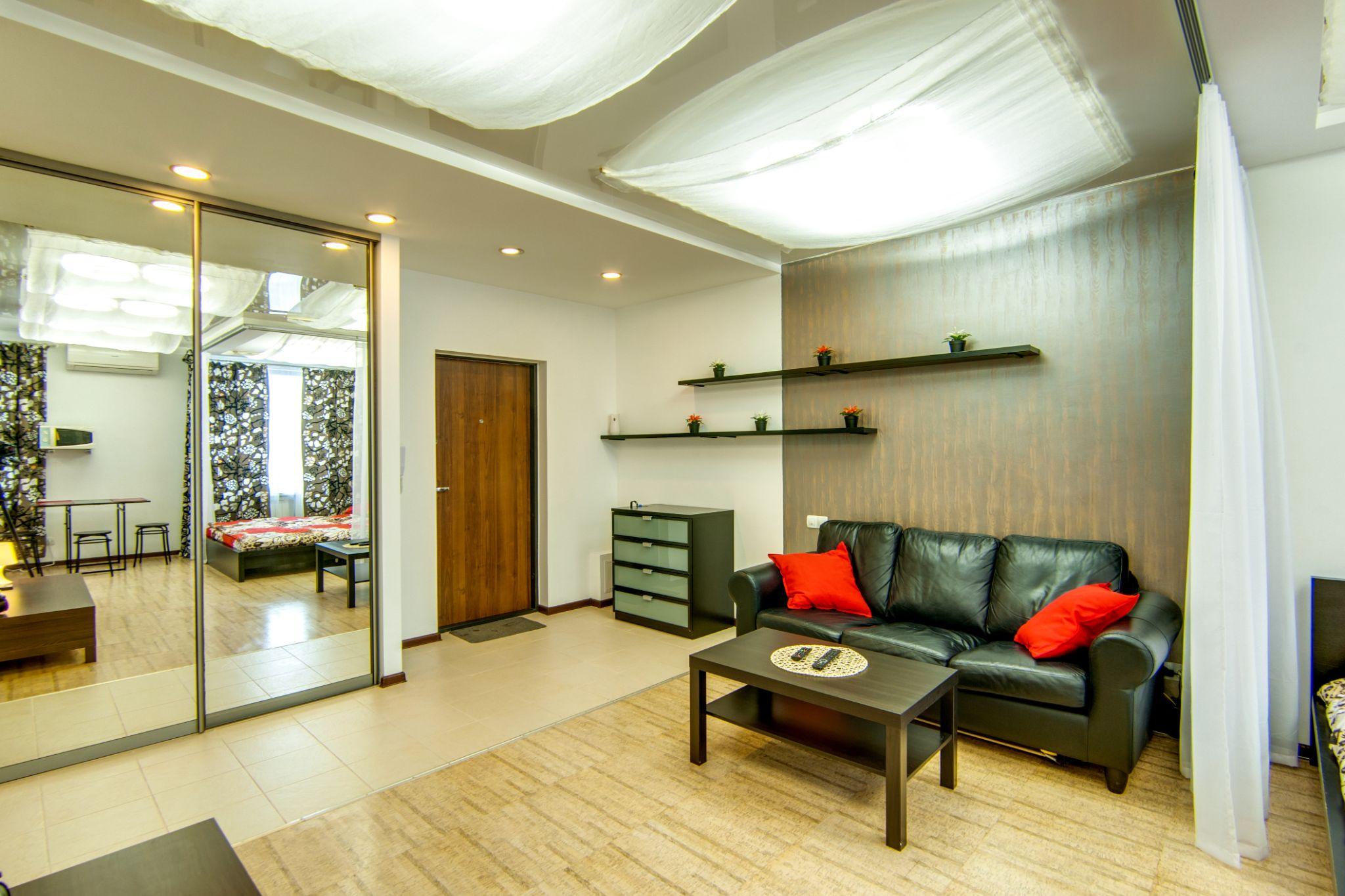
Getting the keys to your Build-To-Order (BTO) flat is an exciting milestone, but the thrill often comes with a daunting question: how do you transform a bare concrete unit into a liveable, inspiring home? From budgeting worries to aesthetic dilemmas, the journey is packed with challenges and triumphs. Understanding the key differences between professional expertise and rookie mistakes, what to prioritise in your first few months, and what factors really drive long-term success can make the process smoother and more rewarding.
Where Experience Changes Everything
The distinction between an expert in interior design renovation and a first-time homeowner often shows up in the details. An experienced designer knows how to plan around HDB guidelines, avoid layout pitfalls, and foresee hidden costs that novices tend to miss. For example, an expert will immediately consider where electrical points should be placed for future appliances, while a novice might only notice the lack of sockets after moving in.
On the other hand, being new to the process doesn’t mean you’re doomed to mistakes. Many first-time homeowners bring fresh enthusiasm and creativity that can spark unique ideas. Yet, without a grounded understanding of scale, proportion, or material durability, these ideas may fall short in execution. This is especially true in BTO interior design, where small spaces require strategic thinking to balance aesthetics with functionality.
Learning from experts doesn’t mean copying their style but observing how they make decisions. Whether it’s selecting multipurpose furniture or aligning renovation works to fit within the HDB’s permitted scope, the wisdom of experience lies in efficiency, foresight, and knowing when to compromise.
From Empty Flat to Liveable Home
The first three months after receiving your BTO keys are often the most critical. Many homeowners make the mistake of rushing into renovation without clear priorities. The initial focus should be on structural and functional aspects before cosmetic touches. Flooring, electrical wiring, and carpentry work are best handled upfront, as they form the backbone of the home.
During this period, BTO interior design becomes a balancing act between personal vision and practical needs. For example, while you may want a sleek open-concept kitchen, you must also think about ventilation, storage, and whether the layout will remain comfortable years down the line. Choosing durable materials early on also saves money and stress in the long run.
Another key factor in the first 100 days is budgeting discipline. Costs can spiral if you jump at every new trend or add-on. It’s helpful to set a realistic financial framework and stick to it, while leaving a small buffer for unexpected expenses. The early stage of renovation should focus less on aesthetics and more on ensuring your home is safe, functional, and compliant with regulations. Once that foundation is set, design details can be layered in gradually.
What Makes Renovation Work in the Long Run
What separates a successful renovation from a regrettable one often comes down to more than design taste. One critical success factor is adaptability. Interior design renovation plans may look perfect on paper, but unexpected delays, shortages in materials, or even changes in lifestyle can affect execution. Being flexible with adjustments ensures the process doesn’t turn unnecessarily stressful.
Communication is another crucial element. Misunderstandings between homeowners, contractors, and designers can lead to errors that cost both time and money. Clear expectations, written agreements, and regular updates reduce the chances of unwelcome surprises.
Functionality is perhaps the biggest long-term factor in BTO interior design. A flat may look chic right after renovation, but will it still feel comfortable five years later when your routines evolve? Good design anticipates future needs, ensuring materials stand up to wear and tear.
Sustainability is increasingly influencing success as well. Many homeowners are opting for eco-friendly paints, energy-efficient lighting, and recycled wood to minimise environmental impact. These choices align with global trends and save on utility costs over time.
Ultimately, success in renovation lies in aligning vision, lifestyle, and resources. A home should be built for the present and for the years ahead.
Building a Home You’ll Actually Love Living In
Interior design renovation is often described as a journey, and for good reason. It is rarely a straightforward process, but with the right mindset and preparation, it can transform an empty BTO flat into a place that feels uniquely yours. The beauty of BTO interior design lies in its adaptability. You get to shape a space that grows with you, reflects your personality, and supports your everyday life. While trends may come and go, the core of good design remains the same: creating a home that feels liveable, meaningful, and inspiring.
Ready to make your BTO feel like home? Start small with MYD – Pleasant Home Design, plan wisely, and let your renovation choices reflect who you are today and who you’ll become tomorrow.
