

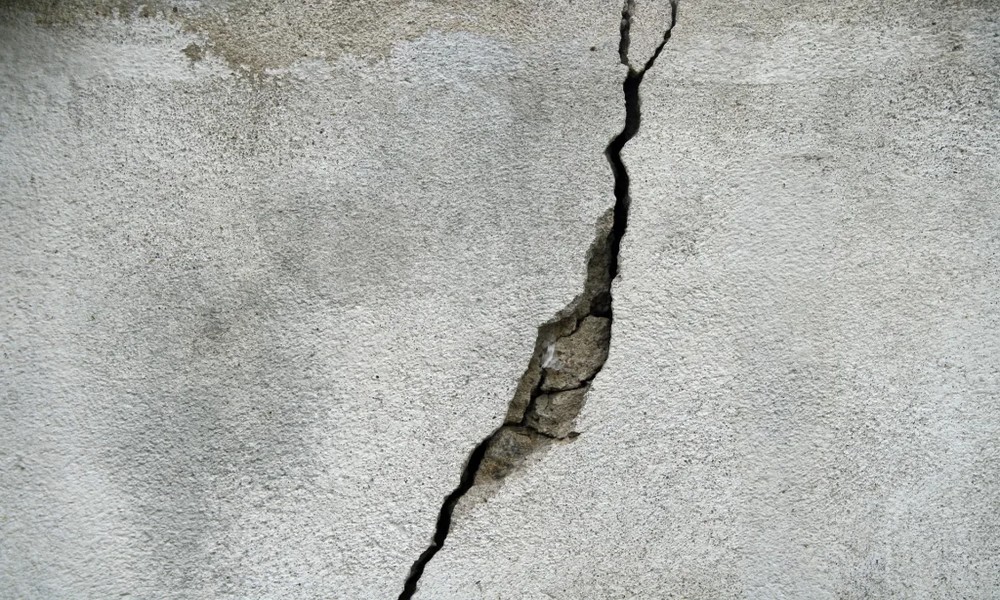
Steel reinforcing bars or rebars are embedded supports that carry tensile forces within a building’s columns, beams, and slabs. These rebars can show signs of corrosion over time, weakening the concrete material’s internal strength. What appears to be solid on the outside already shows signs of compromise underneath the surface.
Corrosion remains a leading factor that can threaten a building’s reinforced concrete durability. Property owners must prioritize thorough assessment of building conditions with a structural engineer NJ and manage such risks effectively. If not addressed immediately, corrosion can accelerate deterioration and shorten the lifespan of structures.
While concrete is excellent in handling heavy loads of structures, it can struggle with prolonged stretching and bending over time. Rebars or steel reinforcement help concrete withstand forces as it works to absorb them, as well as preventing cracks and improving overall stability.
This system helps make reinforced concrete a valuable aspect for various types of structures. However, it also presents a hidden vulnerability, which is the steel rebar’s susceptibility to corrosion. Once corrosion starts, damage can easily progress and remain undetectable until the concrete shows signs of distress.
Internal corrosion becomes structural damage that develops through early microcracking. It causes tiny cracks to appear around the rebar, which may remain invisible without specialized testing. In the long run, these fissures can expand and appear toward the surface, which signals the early onset of structural deterioration and damage.
When cracks appear on the outer layers of the structure, the sections of concrete can start to spall and detach. Rust stains and flaking surfaces might seem superficial at first, but they typically indicate signs of significant internal damage. As spalling worsens, layers of concrete in the structure can separate due to the expanding corrosion. This separation weakens the bond of the rebar and concrete, which negatively affects the functionality of concrete elements like beams, columns, and slabs.
To prevent serious safety hazards caused by corrosion, routine evaluations by a professional building inspection engineer NJ can help. They employ advanced non-destructive testing technologies and methods to uncover if there is hidden corrosion and signs of deterioration beneath the concrete’s surface. They can also monitor concrete crack progression, measure rebar coverage, and assess the environmental conditions to determine areas at risk.
Based on thorough evaluations and testing, these professionals prepare a comprehensive report of the structure’s current condition and identify any deficiencies that may easily go unnoticed. Then, they recommend mitigation strategies and measures tailored to the severity of corrosion.
For more details about rebar failures and how concrete can fail from the inside, check this infographic by Lockatong Engineering.

