

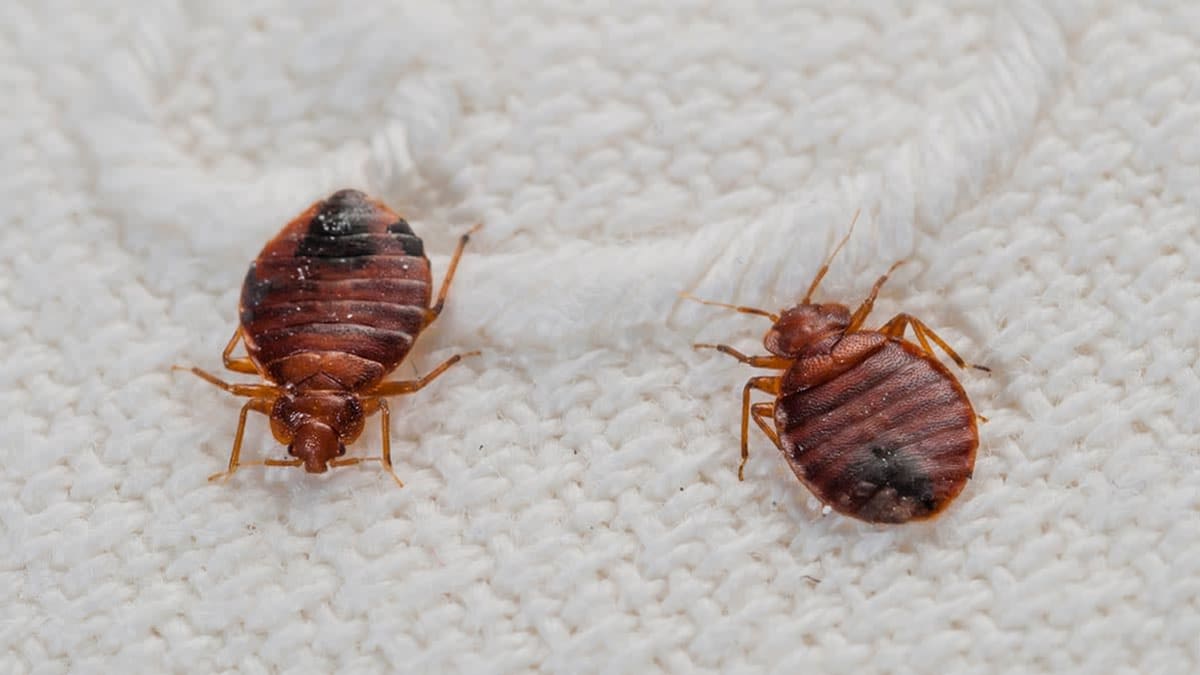
Preparing your home before bed bug extermination is crucial to eliminating an infestation. Bed bugs are resilient pests that often hide in hard-to-reach areas and can spread quickly if unaddressed. Proper preparation ensures professional treatments are as effective and efficient as possible.
This guide outlines what to expect, how to prepare effectively, and why these steps matter for long-term results.
Why Preparation Is Critical
Bed bugs hide in mattress seams, furniture joints, baseboards, electrical outlets, and fabric folds. Because they are small and resilient, professional extermination relies on access to these hiding places. Proper preparation removes barriers, reduces hiding spots, and ensures treatments reach every area where these pests live and reproduce.
Skipping preparation can allow bed bugs to survive treatment and reappear weeks later. When homeowners follow instructions closely, bed bug extermination can be faster, more thorough, and more cost-effective.
Key Steps to Take Before Bed Bug Extermination
1. Reduce Clutter Throughout the Home
Clutter provides countless hiding places for bed bugs. Remove loose items like clothing piles, boxes, papers, and unused belongings, especially near sleeping areas. Discard cardboard boxes when possible, as bed bugs often hide in the folds.
When removing items from infested rooms, seal them in plastic bags or bins first. This prevents bugs from spreading to clean areas of the home.
2. Launder and Isolate Fabrics Properly
Heat is one of the most reliable ways to kill bed bugs and their eggs. Wash bedding, clothing, curtains, linens, and other washable fabrics in hot water, then dry on the highest setting for at least 30 minutes.
Once items are clean, seal them in plastic bags or containers until treatment is complete. Keeping clean items isolated helps prevent reinfestation during the bed bug extermination process.
3. Prepare Bedrooms and Furniture
Bedrooms are usually the center of a bed bug infestation. Empty drawers, nightstands, and closets completely. Inspect items as you remove them and bag anything that needs laundering or heat treatment.
Move beds, couches, and other furniture at least one foot from walls so technicians can access baseboards and wall voids. Mattress and box spring encasements are often recommended, as they trap remaining bugs and make future inspections easier.
4. Vacuum Carefully and Thoroughly
Vacuuming removes live bed bugs, eggs, and debris from carpets, furniture, and cracks. Focus on mattress seams, upholstered furniture, baseboards, and floor edges.
Once vacuuming is complete, seal the bag in a plastic bag and discard it outdoors. This step won’t remove all bed bugs, but it improves the overall effectiveness of professional extermination.
5. Seal Cracks and Limit Hiding Areas
Bed bugs can hide in extremely small spaces. Sealing cracks in walls, baseboards, and around outlets reduces these hiding spots and forces bugs into treated areas.
This step does not kill bed bugs directly, but it improves treatment reach and limits places where bugs can escape extermination products.
Understanding Treatment Types and Preparation Needs
Different extermination methods require different preparation steps.
- Heat treatments rely on high temperatures to kill bed bugs at all life stages. Remove or protect heat-sensitive items like candles, electronics, cosmetics, vinyl items, and houseplants.
- Chemical treatments may require covering or removing food items, dishes, pet supplies, and personal care products. Children and pets typically need to leave the home during treatment and for a specified time afterward.
Always follow the specific preparation checklist provided by your pest control professional, as it’s tailored to the treatment method being used.
What to Expect on Treatment Day
On the day of treatment, ensure all preparation steps are complete. Move furniture, empty drawers, and remove clutter. Bedding is often removed and washed after treatment, as instructed by the technician.
Homeowners are usually asked to stay out of the house during active treatment and for a short period afterward. Your provider will clearly explain reentry times and safety precautions.
After Bed Bug Extermination: What Comes Next
Post-treatment monitoring is essential. Mattress encasements should remain in place for at least a year. Interceptors under bed legs can help detect lingering activity early. Continue regular inspections and avoid bringing in used furniture or items that have not been inspected.
Complete bed bug extermination does not end with treatment. It includes ongoing awareness and prevention.
Final Thoughts
Effective bed bug extermination starts before treatments begin. Decluttering, laundering, vacuuming thoroughly, and following professional guidance ensure treatments reach all affected areas. These steps help minimize repeat visits, reduce disruption, and restore comfort more quickly. With careful preparation, homeowners can achieve lasting bed bug control instead of short-term results.
